Affiliate Marketing And Time Management

Affiliate marketing and time management go hand in hand. In fact, without good time management skills, you’re less likely to succeed as an affiliate. Affiliate marketing pays you only when you make sales. So if you spend time in the wrong areas as an affiliate, or waste time, you can spend years working for zero reward!

Affiliate Marketing And Time Management
Access a free video training series covering the various affiliate models

As a beginner I fell into the many affiliate traps too; such as spending heaps of time making a website logo look pretty – only to have zero traffic! Or building spammy websites hoping they would immediately rank and get free traffic!

It’s also easy to become a “busy fool” as an affiliate marketer – thinking you’ve “made it” because you’re working from home. But actually you’re not making any money. Instead you’re spending all day browsing social media! Or even getting stuck in “learning mode”; thinking you’re progressing but actually only watching endless training videos and not implementing what you’re learned.

You can get addicted to learning; watching videos thinking knowledge alone is progress. But you need to keep an eye on moving your income forward too.

Affiliate Marketing And Time Management

It’s easy to fall into many of these traps which suck your time and don’t move your affiliate business forwards. To make sure you’re not wasting time as an affiliate, you should write down your goals and have a daily plan to work towards them. Zoom out of the moment to look at the longer term picture. Then zoom back into the moment to work a step at a time at the main thing which will move your business forward. Make goals for 5 years, 3 years, 1 year, 6 months and 3 months. Look at your daily schedule. Do your daily steps match with your longer term goals?

Affiliate Marketing And Time Management
Are you being a busy fool with your affiliate business? !

Overwhelm, procrastination and hesitation are your enemies as an affiliate. You can get locked into inactivity when you haven’t chosen your direction. Or you can get lost in juggling too many things and still not move forward. Initially you’ll be learning, probably from watching videos.

Think of your use of time as spending 80% of time learning, and 20% of your time implementing what you have learned. Don’t confuse learning with action. Learning is more important in the early phase of building your affiliate business. But over time the balance should move towards 80% implementing and 20% learning, once you choose a direction and get started.

This can be a tricky phase and you may procrastinate here. But far better to fail forwards, learning from mistakes and problems, than to stand still in inaction and procrastination.

Affiliate Marketing And Time Management – Mindset

Goal setting is vital to keep you focused on what you want from your affiliate business and how you intend to achieve it. If you’re struggling with your mindset, you should get Stuart Lichtman’s ebook on Cybernetic Transposition. This book has helped me immensely with my affiliate business and was recommended by the affiliate marketing mentors I found several years ago.

Stuart’s strategy (Cybernetic transposition), allows you to transpose an area of success in your life to a new goal. It’s the best book I’ve found on goal setting. Most books don’t delve deep enough into what you really want. Stuart’s book lets you test your real intentions and align all parts of the brain for the outcome you most desire, all things considered.

Affiliate Marketing And Time Management

The main problem for many people setting goals (me included), is they don’t follow through because there are conflicting intentions which show up in life. “I want to lose weight, but I like pizza and beer too much”, for example is a typical conflicting statement. In Stuart’s book, he addresses these kinds of conflicts so that they can be resolved to determine the things you really want and how to get them.

Operate A “Won’t Do” List & Prioritise

Most people have a “to do” list which they tick off as they complete each task. But have you thought that maybe since you’re in charge, your list is biased towards the things you like to do, rather than those things which will move your affiliate business forwards?

Ask yourself whether each task on your list is important in terms of moving your affiliate business forwards. If you don’t do something (on your list), will it make much difference? If the answer is “no” the task should be moved to your “won’t do” list. This simple switch can save you heaps of time and energy which is wasted on doing things which are either irrelevant, or suit someone else’s agenda rather than your own!

Prioritise your list in order of importance and do the most important tasks first, when your energy is high. Don’t do the easy jobs which you like first. Do the important ones which will lift up your affiliate business and move you forwards more quickly.

Schedule Your Week & Blocking

Jumping from task to task drains energy and makes them more difficult. This is why many entrepreneurs use a “blocking” strategy to block tasks together. So, for example, if you plan on building your email follow up series and shooting a video, block out time for each task individually, rather than jumping back and forth.

If you divide your day up into many individual tasks, it’s much more difficult to focus with clarity and do a good job. If you plan on writing a bunch of blog posts, shooting videos and editing, don’t jump from one to another. Instead, block out time for your video shooting in one sitting. Otherwise you will lose time in the transition as well as focus. See also timeboxing.

Regular Breaks

Evidence suggests that we work much better and more efficiently with regular breaks. When you’re working on a passion project such as affiliate marketing, it can be easy to over work and burnout. Once you hit burnout stage, you lack energy and focus to do anything. A week of fatigue can set you back dramatically so it’s far better to work consistently while looking after your mental and physical health.

The Pomodoro technique suggests working in 25 minute bursts to maximise efficiency. You can use the technique in variations to suit your working style. But it’s also a good way of breaking down large tasks into smaller tasks.

  • Decide on the task to be done.
  • Set the pomodoro timer (traditionally to 25 minutes).
  • Work on the task.
  • End work when the timer rings and put a checkmark on a piece of paper.
  • If you have fewer than four checkmarks, take a short break (3–5 minutes) and then return to step 2; otherwise continue to step 6.
  • After four pomodoros, take a longer break (15–30 minutes), reset your checkmark count to zero, then go to step 1.
Affiliate Marketing Without Investment

It is possible to do affiliate marketing without investment, although it will likely take a lot longer. With investment you can buy traffic and invest in high ticket affiliate programs, which pay larger commissions. You can also purchase training and support if you’re prepared to invest.

niche blogging

However, if you’re running an affiliate business on a shoestring budget, or on no money at all, there’s a few strategies you can use. Here’s an overview of some of the strategies you can use which are either cheap or cost only your time. If you have nothing to invest, you’ll need to invest more time. If you can invest a small amount, you can give yourself an advantage. This article aims to cover the cheaper and free options of doing affiliate marketing.

Affiliate Marketing Without Investment

I started affiliate marketing without much investment. I bought a few courses which were cheap, and followed the advice I was given. If you have anything to invest, I would suggest investing in your education. It’s the one thing no one can take away from you and has the largest rewards over time. Access a free video training series here which explains the various affiliate business models you can use.

Without investing in anything, you can generate content on platforms like these:

  • YouTube – upload videos to YouTube and link to affiliate products which relate to your content
  • Hubpages.com – Hubpages.com is where I started out. It’s a free platform which lets you create content and link to affiliate products.
  • WordPress.com – is another free blogging platform which lets you create written content and link out to affiliate offers.
  • Social media platforms – you probably already use Facebook, Linkedin, Instagram or another social media platform. Get to know the methods of unpaid social media marketing, and leverage your platform of choice to promote affiliate products.
affiliate marketing without investment

Affiliate Marketing Without Investment – Traffic

The main problem for affiliates is getting traffic to their affiliate offers. See get traffic to your website free. You’ll need to be inventive and use a strategy you can work on over a long period of time. Blogging is a simple strategy I use to generate traffic to my websites. You can use the free blog sites like Hubpages, WordPress or even create a free website with Weebly.com, or one of the many other sites which offers that service:

But just having a website is no guarantee of traffic. You’ll need to create content to get traffic and the freebie sites aren’t those which the search engines trust the most. A worthwhile investment is to get your own website and hosting provider. That way you have more freedom to create affiliate links you choose without restrictions from the free website providers. Some of them will limit the kind of affiliate links you can use.

Free website providers won’t rank as highly as those which are purchased. Google will therefore limit your traffic and you’re likely to need to work a lot longer building content on them. For more information on building your own site and getting a domain name, see this article.

Affiliate Marketing Without Investment – Groundwork

Before even starting your website, it’s a good idea to know what subject you are going to be creating content around; or what marketing tactic you’ll be using. Without this understanding, you can spend a lot of time getting things wrong.

Most affiliates quit far too early because they don’t have a long term strategy and/or the belief and confidence in it over the long term. With a “no investment” affiliate business, you’ll need to have a good long term strategy and be able to sustain the work over a long enough period to break through.

affiliate marketing without investment

Your marketing strategy will depend on your natural leanings and your ability to create content or connect with people online. Some people use social media marketing and others create content. If you’re more comfortable on video, you could upload videos to YouTube regularly to build a following.

For more ideas of free and cheap marketing strategies see my post 22 ways to promote affiliate products.

Choosing Your Affiliate Products

Ideally, choose affiliate products which you are aligned with; those products which you yourself have purchased, or would want to purchase. If you align with a product, the chances are much greater that people you attract through your content will also find them desirable. Plus, if you get to know a product, you’ll have some ideas to create content around them.

A high ticket affiliate product (a submarine!) being showcased in the free video workshops.

If you have some ideas about the content you want to provide, look for affiliate products which relate to your content. You can easily find affiliate programs which relate to most topics and interests. Simply do an internet search for “{your niche} affiliate programs/products”.

So if you’re a keen gardener, you can look for”gardening affiliate programs”. Choose a program which is most suited to you, your interests and the content you are going to create.

A Review Website

A good idea for affiliate marketing without investment is a review website. Reviews can even be written on free blogging sites such as Hubpages.com. One of my very first affiliate sales came from a review I put up on Hubpages.com about a software program I have bought called Xsitepro. The software is obsolete now since WordPress came along (and the many other website builders). But at the time it worked for me and I built a few nice looking websites using it.

The key about review websites is they attract buyer traffic. There’s a huge difference between attracting a website visitor who wants to buy and one who wants something for free. A review brings in someone looking specifically at a product or products they want to buy, or are thinking of buying. If you can get your review website to get found, you can earn commissions from your visitors quite quickly. But again it comes down to your ability to get free traffic to your website.

A Niche Website

A niche website is what this site is. It’s a website built specifically to cover a very niche topic. This one is built around the keywords affiliate marketing mentors. Although not entirely free, it’s a very cheap way to build an affiliate business though blogging.

affiliate marketing without investment

Most niches are pretty competitive today so it can be difficult attracting traffic, particularly when you start out. But if you stick at it long enough, you can get the attention of the search engines and build free traffic to your site. If you link well to affiliate products which are well targeted towards your audience, you can start generating sales from your blogs. See also how to know your target market.

It’s also a good idea to define a niche within a niche, also known as micro niche. With a niche such as affiliate marketing, it’s very competitive. But if you target affiliate marketing for seniors, for example, you’ll find less competition. So if your topic is gardening, you might choose a specific type of gardening to limit your potential competition. See also best micro niche for blogging.

Blogging Strategy

I use a blogging strategy which is low cost. The main cost is my time, which for many is more valuable than money – depending on how much they have of either! If you have time, but not much to invest, this can be a good strategy to implement. My blogging strategy involves finding long tail keywords with low SEO difficulty.

There’s a great free tool called the Google Keyword Planner. This tool can show you the keywords people search for online in your particular niche. Find the keywords which offer the least competition and write long, quality articles around those keywords. Use an SEO tool, I use Yoast SEO , to help you write the posts. Share posts on social media (I use a plugin called Revive Old Posts – which is free).

YouTube – Free Strategy

A YouTube video I created to promote an affiliate product

YouTube is a great platform to gain exposure and promote affiliate products. Anyone can join and upload their videos to build out their YouTube channel. If you’re going to use YouTube organically (without paying), you should expect to make a daily habit out of uploading videos covering your chosen affiliate topic for several months before you start gaining traction.

For any content marketing, YouTube included, you’re looking to create a back catalogue of content which can create free traffic over time to your affiliate offers. A small amount of content will only have a tiny impact, or none at all. But over time, if you are consistent, you can build a nice automatic trickle income from your affiliate products.

For more on free marketing ideas and strategies see get traffic to your website free.

Online Business Startup Costs

Most new affiliates will want to know their online business startup costs. But there really isn’t a hard and fast rule here. There’s lots of ways to do affiliate marketing on a shoestring budget.

However, it will generally take a lot longer to achieve success with affiliate marketing/online business if you take the free route. I started out affiliate marketing doing everything for free. It was huge struggle. The best thing I did for my affiliate business was to get help and support and access an affiliate marketing mentor.

The free route means you’ll need to create content and leverage social media channels in order to get traffic. See how to get traffic to your website free. But at the least you should build a website and get an autoresponder. Otherwise you’re in for a very difficult time. Free blog platforms do allow affiliate links and can be used. But it can take a long time to gain traction and you’ll likely be doing a lot of work for nothing.

A website domain name can be purchased for less than $10 and hosting costs less than $10 a month. An autoresponder is around $10 a month but this one offers a free first month. Then it will cost $10 a month, rising as you get more subscribers on your email list. But more emails means more sales if you’re doing things right, so your affiliate business should bear this cost as you progress.

Affiliate Marketing Startup Costs – A System For Selling + Help & Support

One of the best investments I made was in training, support and the purchase of a ready made business system. The Mentors All In program covers all aspects of building an online affiliate business:

  • Training and support – mentors and coaches
  • live webinars,
  • recordings,
  • setup your sales funnel,
  • step by step modules
  • A range of products you can sell
SFM business system - all in program

An online business can be built in several different ways too. You can use other people’s products and services and work as an affiliate. There’s direct selling where you act as a third party and forward products to customers you have found. You can also sell your own skill with a marketing agency, work for yourself online in some respect or use more than one strategy.

See this series of training videos which will explain the different models available for online businesses.

The Mentors All In program costs $99 and then is $99 a month. It includes a range of products you can sell and a step by step setting up system to help you build your funnel.

Online Business Startup Costs – High Ticket Products

Once you’ve accessed the business system you’ll have a range of products to sell online. But you can also add more products to your digital “shop front” if you purchase them. High ticket products can allow you to earn more per sale and depending on your investment level, you can earn up to 30% on products ranging from $100 to $20,000.

With a greater investment you can access the larger commissions. This in turn can give you more options in terms of marketing your online business. There’s many ways to market your sales funnel, once you’ve built it. Paid marketing is the fastest method however. With a high ticket sales funnel, you can more easily recoup your marketing spend and become profitable. With lower value products to sell, it can be more difficult to use paid marketing because the commissions are so much lower.

Have a look at the different affiliate marketing commission rates. For example, Amazon typically pays affiliates between 1%-11% commissions on sales you make. So you’ll need to sell in bulk in order to make it profitable. With a high ticket sales funnel, you can still sell in large amounts, but you don’t need as many customers in order to be profitable.

Investing In Yourself & Your Business Online

If you’re serious about building a long term business online, you can invest at much higher levels. This will give you more access to fast track training, mentors and coaching. You’ll also maximise the potential of your sales funnel by getting the largest commission structures available through an affiliate business. Here’s the run down of the commission structure and the cost of the training for the Ultimate Startup Bundle Platinum.

online business startup costs

To access the program simple join Mentors through the Mentors All In package and upgrade through your dashboard once you get access.

As you can see, in tier 1 you can earn a $4000 commission by selling the Ultimate startup bundle. Tier 2 means you can earn commissions from sales made by your referrals. See multi tier affiliate program for details.

online business start up costs
During an SFM conference with Stuart Ross

Amazon Affiliate Marketing Commission

Amazon affiliate marketing commission rates have recently dropped as of April 2020.  Commissions on furniture and home improvement products have fallen from 8% to 3%. And that of grocery products has changed from 5% to 1%.

CNBC news
Source: https://www.cnbc.com/2020/04/14/amazon-slashes-commission-rates-for-affiliate-program.html

Rates before Amazon commission rates dropped are shown in the image below:

amazon commissions
Source: https://www.cnbc.com/2020/04/14/amazon-slashes-commission-rates-for-affiliate-program.html

Now look at the new rates according the the Amazon website commission tables:

Amazon Affiliate Marketing Commission
Source: https://www.cnbc.com/2020/04/14/amazon-slashes-commission-rates-for-affiliate-program.html

Amazon Affiliate Marketing Commission

Amazon affiliate marketing commission rates have never been the best. Digital products have always paid far more than physical products. See affiliate marketing commission rates. But now Amazon seems to be shrinking rewards for those affiliates who sell fewer items too.

Have a look at the image below which shows Amazon’s commission rates (UK) as of June 16th 2021. The table shows that those affiliates who make the greater number of sales will earn larger commissions. But for those who are starting out as affiliates, it means their job will be more difficult if they are using Amazon.

Amazon Affiliate Marketing Commission

So, should you become an affiliate for Amazon ?

Amazon does have some benefits of course. It’s huge product range means you can join as an affiliate and promote nearly anything. But at such low commissions it’s worth looking at how much you’ll earn according to what you promote. You’ll need to sell in bulk to make it worth your while! The other benefit of Amazon is its cookie policy. If you refer someone to a product on Amazon, and they add a bunch of items to their trolley at the same time, you’ll get the commission based on their purchases.

Here’s a bit about the cookie policies used on Amazon and what it means for affiliates.

Amazon Affiliate Marketing Commission Vs. Digital Products

Amazon’s commissions were pretty low before the commission price drop. Now they are terrible! You’ll have to be selling heaps of products in order for it to work. In a particular niche, Amazon can have its benefits. But there’s better and easier ways to benefit from affiliate marketing.

One of these is through using digital products instead of physical products. With physical products you have postage and manufacturing costs to consider. Hence why they offer some of the lowest rates of commission in the industry (from 1-11%).

Digital products are far better because they offer much larger commissions – typically 40-50% commissions. Downloadable products or products which are accessible online have a distinct advantage. They don’t require any postage or handing. This saving can be passed on to the affiliate.

Recurring Commissions & High Ticket

Recurring commission products are another game changer for affiliate marketers. They are things like software products and membership products. Hosting providers, autoresponders or products which help online businesses are all examples of products which can offer ongoing commissions, month after month. See recurring commission affiliate products for more on this.

With a recurring commission sale, you can earn commissions for the lifetime of the customer. So if you choose your products wisely, you’ll have lifetime commissions!

High ticket products are another consideration too for affiliate marketers. A high ticket product is one which has a much larger price tag than most products you’ll find on Amazon, for example. Here’s an example of a high ticket product you can find on the site Hammacher Schlemmer:

Amazon Affiliate Marketing Commission

Hammacher Schlemmer pays 8% on sales affiliates make from the site. However, make a sale of one of these hovercrafts and you should expect a nice commission of $15,200!

Amazon Affiliate Commissions & Changing API’s

Many Amazon affiliates have spent years building content in order to benefit from Amazon’s affiliate program. And unless you keep abreast of the latest API’s and developments, your old operating systems can become redundant, stopping you from earning from Amazon.

This happened recently to a friend of mine who’s an affiliate for Amazon. His old operating systems stopped working as Amazon updated their systems. They made the old systems obsolete! This means all traffic generated from them would result in the referral losing their commission – even if their site referred the sale!

API means Application Programming Interface. It’s what many affiliates use to connect their content to Amazon’s products. If it breaks, or is updated and you’re not straight on it, you won’t get paid – even when your traffic makes the sale!

A cynical person might say this is a deliberate act by Amazon to reduce what they have to payout. No wonder Jeff Bezos is so wealthy!

Amazon Affiliate Marketing Commission – Summary

Amazon pays from 1-11% commission on their products depending on what category the product is in. So before rushing into the Amazon partner program, look carefully at what you’re going to be selling. It might not even be worth your while. Digital products pay far more – usually around 40% commissions. If you choose to use recurring commission affiliate products, and high ticket products, your time will be better spent in the long run.

Affiliate marketing takes time to learn. But if you start out with the right products, training and resources, you’ll be far ahead of the competition when those products start paying out. Checkout this free video series to learn more about the various affiliate marketing business models you can use as an affiliate.

Amazon Affiliate Marketing Commission

Online Referral Marketing

Online referral marketing is akin to affiliate marketing. Although “referral marketing” refers generally to word of mouth advertising using existing customers. Whereas affiliate marketing uses third party advocates who get paid for each sale referred.

Referral marketing: used by businesses to invite existing customers to promote your product/service to friends and family members for rewards.

Affiliate marketing: a business model in which the (third party) referrer gets paid a commission for referring customers to products online.

online referral marketing

Online Referral Marketing – “Referral Marketing”

Referral marketing is a tactic which businesses use to increase their number of customers or sales. A reward scheme is usually set up for existing customers. When an existing customer refers someone they know to a business or product, they receive a freebie, reward or gift of some kind. Since existing customers are already using the product/service, it makes sense that they are the best brand advocates.

online referral marketing
  • A Radius global marketing study showed that millennials ranked word of mouth as the top influencer in their buying decisions on a number of goods.
  • The most trusted form of advertising is a friend’s recommendation. See the Nielson report here which shows that people are four times more likely to buy when referred by a friend.
  • A Radius global marketing study showed that millennials ranked word of mouth as the biggest influencer in their buying decisions on a number of goods.
  • Another study shows that 74% of consumers say Word of Mouth is a key influencer in their buying decisions.
  • Customers are 18% more likely to stay and 16% more profitable than customers acquired from other sources. See this cases study.
  • In the Huzzah media study, 36% of small business owners stated that word of mouth is their best source of revenue, followed by returning customers at 44%.

So if you’re in business, it makes sense to offer some kind of referral program; rewarding customers for bringing in their friends and family members.

Online Referral Marketing – Affiliate Marketing Vs. Referral Marketing

Affiliate marketing is a form of referral marketing. With affiliate marketing, affiliates join an affiliate program and can promote goods and services online. When they make a sale, they earn a commission. So if you’re looking for “online referral marketing”, it could be affiliate marketing you want to know about. “Referral marketing” is mostly off line and deals with recommendations which people make through word of mouth advertising.

Affiliate marketing, on the other hand, mostly is concerned with online marketing strategies. Affiliates use strategies such a paid marketing, blogging and YouTube’ing; Social Media marketing and email list building to get products in front of customers.

Often with affiliate marketing the referring affiliate is more biased than an actual customer (of a business) might be. Since the affiliate is mainly interested in the sale, not whether the customer is satisfied, or whether the product they recommend is actually a good one!

Despite this the affiliate marketing model is one of the most popular ways to earn on the internet today.

Referring People To Products As An Affiliate

With affiliate marketing, your main job is to refer people to products and services online. You can do this through a number of different strategies. See 22 ways to promote affiliate products. If you get good at this, your affiliate business can take off! You can even make sales online on complete autopilot. See affiliate marketing autopilot.

Learning how to be an affiliate takes time and there’s some skill involved in getting customers in front of affiliate products. But once you learn the skill, you have an income for life and you’ll never need a job again! Access this free video series to learn more about the affiliate marketing models available online.

Whether you’re referring affiliate products or referring people to a business you are a customer of, you’re effectively a referral marketer! Referral marketers make money through referring people to someone else’s business, product or service. This is how they do it!

How To Refer Sales Online?

online referral marketing

Most marketers have a list of email subscribers which they can build using several different strategies. These strategies can be broken down into two main categories:

  • They use paid marketing to send targeted visitors to a landing page where they collect their email addresses. See customer attraction strategies.
  • They create content and generate an interest through social media, using SEO (search engine optimisation) and through sharing their content online. See unpaid advertising examples.

Some marketers use one and some use another. You can use both of course but it’s worth concentrating on a particular strategy, and getting good at it before moving on to another one. Paid marketing is definitely the fastest way to promote other people’s products and services online. However, you need to make sure you’ll be making a profit before spending large amounts on advertising. Knowing how much you can earn from your referrals is key to getting this right. See affiliate marketing business models.

Summary

With online referral marketing, people are rewarded for promoting other people’s products and services. The term “referral marketing” typically refers to people recommending a product or service; which they are a customer of via word of mouth. But online referral marketing typically is a term used to describe affiliate marketing. In affiliate marketing, affiliates refer people to products and services online. This is usually through some sort of marketing which can be grown and scaled up.

If you’re interested in becoming an affiliate marketer, access a free video series here and learn the different types of affiliate products you can use to earn an income online.

free video series

Lead Nurture Funnel

The lead nurture funnel is a sales funnel which can “nurture” leads over a long period of time. It turns subscribers into customers by building relationships through email marketing. A lead nurture funnel aims to connect with an audience and offer value through email messages. Once someone joins an email list, they expect to receive information relating to the topic they signed up for. So if someone signs up for an ebook, for example, on the topic of affiliate marketing, they will receive emails relating to that particular topic.

beginners guide to affiliate marketing - lead magnet
Here’s a lead magnet I use to build my email list. (access here). I follow up with emails to “nurture” subscribers and build trust – then I hit them with the hard sell!! (Only joking – I recommend products and services which have been useful to me!)

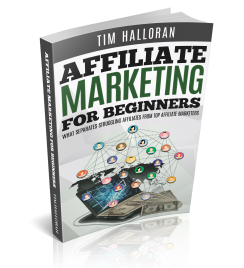
Here’s an ebook I give away in order to help people understand affiliate marketing (above). Once on my list, subscribers will be given information regarding the topic. I’ll recommend products which have helped me, from which I’ll earn commissions.

Lead Nurture Funnel – Nurturing Leads

The idea of lead nurture can be used to turn a cold audience into a hot one. A “cold” lead is someone who perhaps isn’t already aware of your products and services. They might have only just heard about your topic, so they are perhaps not yet ready to buy from you.

lead nurture funnel

A “hot” lead is someone who already knows the products; they are bursting to get out their credit card and make a purchase. Hot leads might be found on a review website, for example. On a review website, someone is actively looking for the products being discussed/offered. They are just looking for one final bit of information before they make a buying decision. They are ready to buy. A cold visitor is not ready to buy yet and so the lead nurturing process can warm them up a little with regular, timely messages to their inbox regarding the topic they signed up for. This is known as lead nurturing.

In many cases, a lead may purchase a product or service from an email list several months or even years after signing up. This is more likely to happen if they have been regularly opening email messages and benefiting from them in some way. The lead is therefore “nurtured” from a cold state (not ready to purchase), into a “hot” buying state of mind where they understand the product and what it can do for them.

Lead Nurturing With Email Marketing

With a follow up email series, advertisers can set up a number of email messages to automatically be sent to their subscribers at regular intervals. Many affiliate marketers even send emails every single day to their subscribers. Some people will purchase products quite quickly from an email list, particularly if the products have been “pre-positioned” through a video advert or some piece of content.

Other subscribers will never purchase, some will opt out and some will take months or even years before they make a purchase. For these subscribers it’s worth having a long list of emails to send out. Or, you can line up a series of automated emails, and follow up with “live” emails which you manually send. This is to build rapport and trust with your subscribers over a longer time frame.

lead nurture funnel
Inside the dashboard of Aweber – my autoresponder service which I use to send out email messages on autopilot. (These are the first few messages you’ll receive if you sign up to my email list on this site).

Strategy For Building Email Follow Ups

A good strategy for building your email follow up series is to think about what the subscriber wants, needs and would enjoy. Most email marketers aim to offer value to their subscribers; inspire, educate, entertain and inform. If you do this well, your subscribers are more likely to open your emails when you send them out.

A good lead nurturing system will help the subscriber understand your products and/or service too. In particular, your messages should help them understand why your products are useful to them. If you convey this message well, your subscribers are likely to know whether they are a good fit for your products, and whether your products are a good fit for them. Either way, you should have offered them some helpful insights which are of use to them.

lead nurture funnel
Some of the later messages in my email follow up series. You can see the open rates of some of these on the right hand side.

Once you’ve had a number of people go through your sales funnel, you’re in a better place to analyse your data. The more subscribers you get, the easier it should be to see which emails have the largest impact on them. You can, for example, learn which emails are converting subscribers into customers. You can then use this intel to determine which emails you want to put earlier in your sales funnel.

The high converting emails can be put earlier in the funnel to encourage more subscribers to become customers. You’ll need to have a large number of subscribers through your funnel before you know which messages are having the greatest influence on them.

Email Open Rates & Subject Line

Open rates of an email marketing campaign are pretty important. If your subscribers aren’t opening your emails they won’t be buying from your either! Once you get some data on your open rates you can move your best performing emails to the front of the queue and move the worst performing ones to the back – or remove them completely.

You can also use a subject line tester to help you write compelling subject lines which get larger open rates from subscribers.

email subject line tester
Sendcheckit.com offer an email subject line tester which can help you improve your open rates.

Good email headings get larger open rates and you’re more likely to build trust if your subscribers are opening your emails regularly. This, in turn helps the nurturing process.

Product Range & Up-Selling

Although not all sales funnels have product ranges, a good sales funnel will have multiple products to sell to the customer. Once the customer buys something, the sales system kicks in and they are automatically offered another product within a range.

You’re probably experienced “up-selling” if you’ve even been into a fast food restaurant. That’s when the person behind the counter offers you another product to go with what you’ve already purchased. In McDonald’s they will ask you “do you want fries with that” and in Burger King they’ll ask if you want to go “Supersized“!

lead nurture funnel

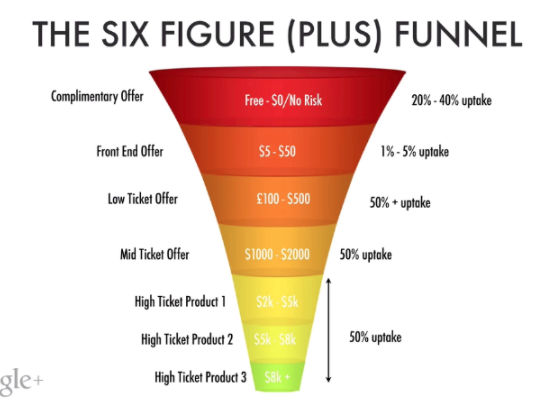
In a lead nurture funnel, the lead is “nurtured” throughout their journey. A purchase of a low valued product at the front end of the sales range leads to another product further up the list. So if you purchase something of a low value, you’re automatically offered the next level of product.

In a digital marketing system this might look like this:

lead nurture funnel

Lead Nurture Funnel – Summary

The purpose of a lead nurture funnel is to nurture a potential customer and inform them of your products or services. You can keep them informed and update them of changes in your products. Over time, a good funnel should convert cold leads into warm buying customers. Depending on your particular business model, this can be done through email messages which are set up to automatically send on a regular basis.

Through helping the lead understand something (offering value), you gain their trust. If someone gets to know, like and trust you, they are much more likely to make a purchase from you; particularly if you have made a good impression and helped them with something already.

Learn more about building your own funnel with this free video series. You’ll be able to access a series of videos explaining how you can earn from the internet through various strategies.

lead nurture funnel

Lead Generation Strategies In Digital Marketing

There’s a variety of lead generation strategies in digital marketing. A “lead” in this instance is an email lead. That is, someone enters their email address into a form in order to access some information. Once they do this, they become an email subscriber – a lead. On an email list someone is much more likely to become a customer than from a simple website visit.

10k webinar access

On a website someone usually only stays around for a few minutes at the most.; then they are gone forever. However, once someone becomes an email lead, you have captured their email address and can follow up with an email marketing campaign for a much longer time period. Subscribers to an email list can purchase a product from you years after signing up. This is why lead generation is so important for businesses.

Lead Generation Strategies In Digital Marketing – The eBook

The simple ebook is a great tool for encouraging your website visitors to opt into your email list. By offering a useful guide, which is free to download, you can capture your website visitor’s email address and give them something useful in return.

An ebook should resonate with your target audience and be a good match for your products or service. Here’s an ebook I wrote which I use as a “lead magnet”.

beginners affiliate

A “lead magnet” is something which resonates with your website visitors and can be accessed by signing up to the website owners email list. Often businesses offer discount codes, bargain offers or downloadable guides or video courses as a lead magnet. Depending on the business you are running, you’ll want to pick a suitable lead magnet which is a good fit for your website content and the service you are offering in your business.

Lead Generation Strategies In Digital Marketing – Traffic

Of course you need traffic to your website first before anyone can find your free guide; or whatever you use as a lead magnet. There’s many ways to generate traffic to a website including both free marketing strategies and those which are paid for. To get free traffic to your website you can use:

  • Blogging – write targeted articles aimed at your target audience – see find long tail keywords with low seo difficulty.
  • Google My Business – if you have a locally based business, Google offers a free business listing. Simply set up and verify your address for free traffic. Bing/Microsoft and Yahoo offer similar services.
  • Back linking – back linking from other websites, article marketing sites and forums and social media can help with traffic and SEO (search engine optimisation).
  • Article Marketing sites such as Ezinearticles.com
  • Uploading videos to YouTube can help your SEO and bring traffic directly to your website.
  • Social Media channels can be used directly for traffic and for SEO. See unpaid social media marketing.

Paid Marketing Strategies

lead generation strategies in digital marketing
Convertree is a powerful software to help businesses build faster landing pages and sales funnels.

You can also pay for traffic of course! Paid traffic is faster than organic and free strategies and much more scalable. Here’s a few strategies:

  • Adwords – Google’s Adwords platform lets you target specific searches being typed into the search engine. Show your advert when a specific search is typed and relevant to your business. Bing/Microsoft and Yahoo also offer this.
  • YouTube advertising can be set up through Adwords. Use video advertising and target a specific section of the population which is relevant to your business
  • Facebook – paid ads on Facebook can be shown to a very specific audience using targeting by age, location, interests, connections and a whole host of other information.
  • Other social media platforms – Linkedin, Twitter and the many other platforms can also be used for paid marketing campaigns to attract your target audience to your website. See how to know your target market.
  • Retargeting – target people who have already seen your content or landing on your website.

Lead Generation Strategies – Landing Pages

To collect a lead most website owners send their traffic to a specific landing page. With a landing page, there’s less for the visitor to do. On a normal website, visitors can browse around, click on the various content and get an idea of what the website offers.

With a landing page, there’s only two options: sign up or leave. This forces the visitor to make a quick decision as to whether they should sign up or not. While many may leave once visiting a landing page, many will sign up. To make your landing pages more effective, you can split test your page to see which one converts a more visitors into subscribers.

lead generation strategies in digital marketing
Here’s one of my landing pages. There’s only 2 options on a landing page: sign up or leave.

While many website owners concentrate on generating more traffic, the wise also know to optimise their opt in rate.

Lead Generation Strategies – Opt In Rate and Cross Testing

The opt in rate is the rate at which visitors sign up on your landing page. Let’s say you send 100 visitors to your landing page where you are offering some kind of giveaway product. Only 40 people actually sign up and join your email list, out of those 100. That’s an opt in rate of 40%! By altering small elements of your landing page, and cross testing the opt in rate against another similar page, you can determine which one is better for your opt in rate.

lead generation strategies in digital marketing
Lead pages is a landing page builder software to help you collect leads

Landing page elements such as the page title, images and button colours can all effect how your visitors react to the page. By testing many different pages over thousands of visitors, you can optimise your page for the best opt in rate. 40% is a good opt in rate for a landing page. If your opt in rate is much lower than this, you should probably do some split testing to help increase it.

Sending Paid Traffic Directly To Landing Pages

If you’re going to use paid advertising you’re far better off sending people to a landing page rather than a standard website. You have a far greater chance of converting an email subscriber into a customer than a website visitor. Once on your email list, you can build a relationship with your subscribers over a much long time frame. On a website, most of your visitors will leave within a few minutes, many to never return.

Once you start building an email list, you can build a longer term relationship over months, years and even decades.

Pop Ups & Drop Downs

Most websites have a bunch of annoying popups which stop you from freely browsing through a website! But there’s a good reason for this. I have a pop up on this website too. Pop ups are great for generating leads because you can put them on every page of your website. If you’re building an email list, everyone who lands on your website should see your offer. If you have an offer which is hard to find, or is only on one page of your site, you’ll be losing a lot of potential subscribers (and customers).

So make sure you use pop ups or drop down opt in forms which can help you build your email list. You can use an email autoresponder service to generate a pop up for you. I use Aweber for this and they offer a number of different pop up forms to choose from.

lead generation strategies in digital marketing
Aweber offer a software which can help you collect subscribers from your website in a variety of different ways.

Find Long Tail Keywords With Low SEO Difficulty

Why find long tail keywords with low SEO difficulty? Simple; it’s so you can rank your content on Google, and the other search engines: Bing, Yahoo, Duckduckgo.com etc.

Any topic you want to blog about has a number of search terms which you can find using the free search tool Google’s keyword planner. Looking at the search terms for a given topic you might think to go for the terms which get the highest number of searches. But that’s a mistake if you’re a blogger. Most of these terms are far too competitive to rank your content for. So your articles will probably never rank in the first page of the search results for them, should you try.

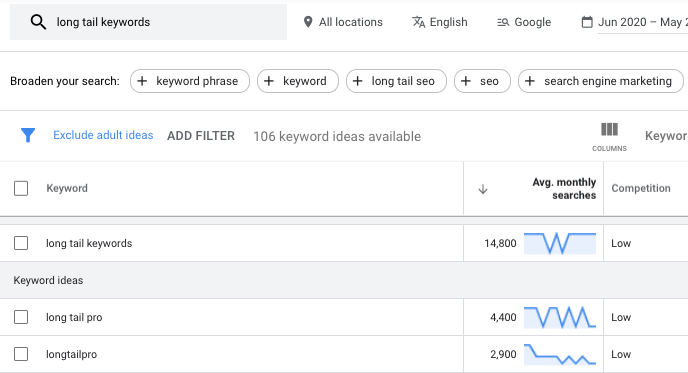
google keyword planner

Taking the example above you would think that “long tail keywords” is the term to write content for. It gets 14,800 searches every month on Google according to the planner tool. But let’s take a look at the competition for this keyword in the organic search results using Google.

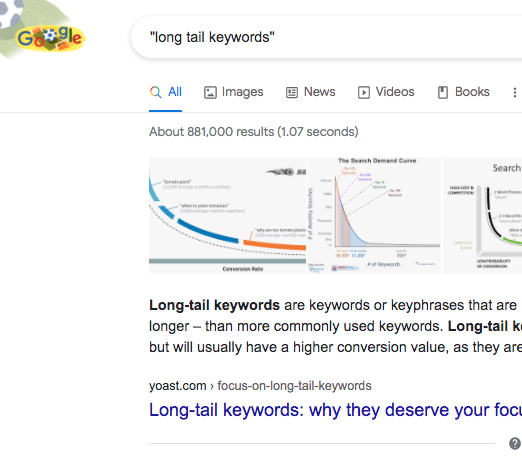
find long tail keywords with low seo difficulty

The above image shows the search term “long tail keywords” in the Google search results as a “phrase” match – meaning in quotation marks. This shows the number of competing pages which are shown by Google with that phrase in their website/page. The number is 881,000 shown at the top of the page. That’s a lot of competing websites targeting this term. Then let’s look at the term without quotation marks:

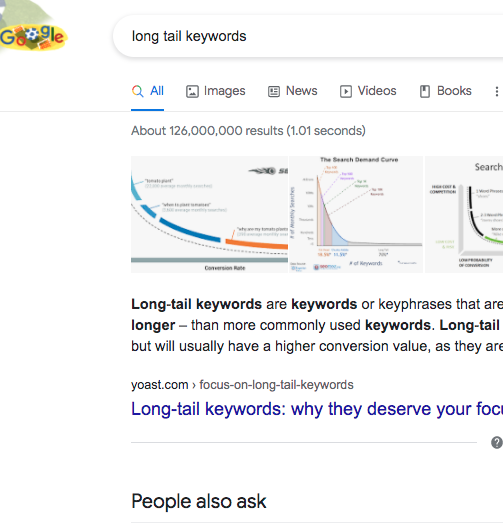
find long tail keywords with low seo difficulty

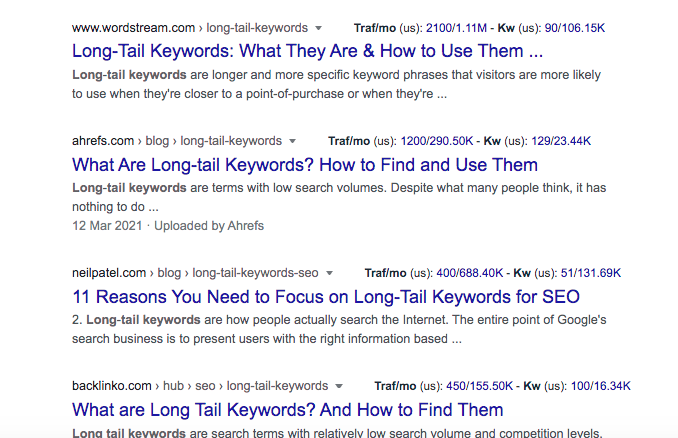
A basic search of the term “long tail keywords” brings up 126 million competing pages for an open search (without quotation marks). Again, this shows a lot of competing websites for the term. Looking through the results too shows a hefty number of high authority sites ranking in the top few.

find long tail keywords with low seo difficulty

Find Long Tail Keywords With Low SEO Difficulty

So as an example of a search term “long tail keywords” stands out as a difficult one to rank. To get free traffic from the search engines you’ll need to get your content seen within the first page of Google, ideally. There’s also Bing, Yahoo, Duckduckgo.com too, but there’s much less traffic available from these search engines. So even though they might give you a higher ranking than Google, you can’t base your strategy entirely from these search engines.

To win a place in the first page of the Google listings for your search term, you’ll need to dig a little deeper and find the long tail keywords with low SEO difficulty. To do this you’ll need to look at the search terms which attract fewer searches, but which also have far less competition on the search results page. You can do this by clicking on the average monthly searches tab in the keyword planner (see video below).

Find Long Tail Keywords With Low SEO Difficulty

Once you do this you’ll notice that the search terms get a lot less traffic than the more competitive ones. But 10% of a low number is better than 0% of a high one. With a high competition keyword, your chances of getting free traffic are incredibly small. You’ll be competing with high authority domain names which have tens of thousands of back links. So even if I chose the keyword for this article which gets 14,800 searches every month, chances are low that I would get any free traffic from Google for it. So 0% of 14,800 is still 0!

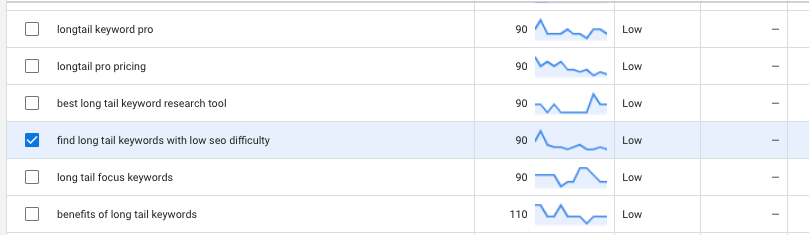
One the other hand, I found the long tail keyword which I intend to rank this article for: find long tail keywords with low seo difficulty.

find long tail keywords with low seo difficulty

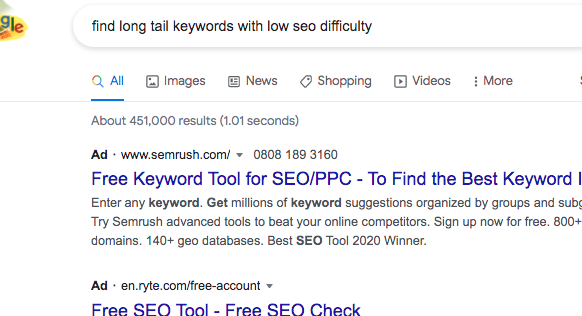
As you can see from the planner, this keyword only gets 90 monthly searches on Google. This is far lower than the 14,800 from the more competitive keyword (long tail keywords). But moving to the search results and typing in my keyword it’s a very different story from the shorter keyword. Compared to the number for the shorter phrase (126 million), this shorter phrase only gets 451,000 pages listed. This gives me a much better change of ranking for it, particularly if I do a good piece of content.

find long tail keywords with low seo difficulty

However you can also see a bunch of adverts for this search phrase which means that even ranking near or at the top of the page, you’ll still have competition. But the goal is only to get a trickle of traffic from each of these kinds of article. By creating lots of content, and targeting long tail keywords, you have the chance of getting free traffic to your website from a number of sources.

Niche Blogging For Profit

niche blogging

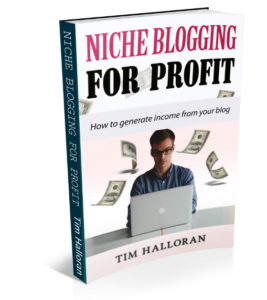
A few years ago I created this ebook – Niche Blogging For Profit. The strategy is the same – find long tail keywords with low SEO difficulty.

At the time there were fewer competing websites for keywords than there are today. But the strategy still stands. It just takes a little time and effort to find the gems which have fewer competition. You also want to choose keywords which relate to your subject of course. If you go too far off course, you could have people coming to your site to read content which has nothing to do with what you’re offering.

So the basic rules of the strategy I use are this:

  • Find long tail keywords which relate to your subject and which will attract buyer traffic
  • Choose keywords which have less than 20,000 competing pages for “phrase match” (use quotation marks)
  • Use keywords which have fewer than 10,000,000 for open match (no quotation marks)
  • Use the existing best ranking websites also as a measure of the likelihood of your getting a place on Google for the keyword you research.
  • Keep learning from your experience and fine tune the strategy as you go.

Content Quality

Of course finding your long tail keywords is only half of the story. You still have to create content around your chosen keywords. Google uses many algorithms to determine how people perceive your content. So make it as good as you can and write at least 1000 words, more if you can. You want your content to be “evergreen”. It can take months before your content gets the attention it deserves. But if it’s evergreen, this should serve you for much longer than a short piece of content which quickly goes out of date.

I use an SEO plugin and social share plugins to help me syndicate content out via social media, too. More on content creation and plugins in my article: create free website and earn money.

Plugins I use:

  • Yoast SEO – helps you write content with SEO in mind
  • Revive Old Posts – automatically syndicates new and older content you have created out through social media
  • Social media share plugins – gives readers the option to share your content.

Summary

In this article I’ve used the example of the keyword “long tail keywords”. But of course you can choose any keyword which is within the niche you work. Make sure you know your target audience before you start out so you can maximise your efforts and attract the right kind of people to your website. See how to know your target market.

Nothing is guaranteed with blogging! Google can be tough nut to crack and this strategy is just that – a strategy. But through finding long tail keywords you can have more chance to rank your content if it is deemed good enough by Google.

It can take some time before your blog is recognised too by Google. Especially in the early months; many sites are sandboxed by Google and you don’t see results quickly. In some cases it can take months before your content shows. Check other search engines like Bing, Yahoo and Duckduckgo which can rank your content quicker than Google will.

Keep going and continue creating more and more content. If you use this strategy with a die hard attitude, eventually you’ll start to see some traffic. Once you do, give yourself a pat on the back and let this result give you the enthusiasm to keep going and create more and more.

Blogging QnA – Questions ‘n’ Answers

If you’re thinking about being a blogger, or already blog, here’s a few blogging QnA ‘s – (Questions and Answers), which I would have liked to have known when I started out. When I first started out blogging, I didn’t know what I was doing! I tried many things and made a lot of mistakes.

One of my early sales online came from a review blog post I wrote, and I thought it would be the first sale of many. Unfortunately it didn’t work quite like that and my online income dived after my early “win”. Blogging is a long term strategy for generating an income online. However, some bloggers simply blog for the sheer passion of it, rather than to make an income. But I wanted an income from my blogging, and struggled because I put the “cart before the horse” – money before the value.

niche blogging

My blogs were aimed at money making online when I started out. But there’s a lot of competition in this area, so nothing much happened for several years. Only when I started thinking of giving rather than getting did things really turn around.

So here’s a few blogging QnA’s aimed to help you navigate the blog arena and earn money from your blogging efforts.

Blogging QnA – How Long Does It Take To Make Money Blogging?

This is a tough one because it depends on so many variables. I put an article together aimed at exactly this question. Read it here: how long does it take to make money blogging. There’s many variables connected to answering this and I’ll list some of them here:

  • Your topic will determine your success to an extent. How well do you know it, how passionate are you and how much competition is there online in this area? For example, the “money making online” niche is incredibly competitive, so it will take longer to generate free traffic from the search engines in this topic due to large numbers of competing blogs and websites.
  • Your passion – how passionate are you and how long can you sustain your blogging efforts. Some bloggers can take months before monetising their blogs, some take years.
  • Work ethic – If you think you can write a few words and suddenly be making a passive income, you’re probably going to be disappointed. Bloggers work hard and for a long time before they break through and start even generating a small, trickle income.
  • Your strategy & Understanding– When I first started blogging, I thought people would naturally come to my site from Google. But what if Google doesn’t rank your site? Bloggers need to promote their own content as well as regularly write it. I wrote for years before knowing this! Getting the right knowledge upfront will therefore give you an advantage.

Blogging QnA – How Much Money Can You Make From Blogging?

How much money can you make from blogging? Blogging can be very profitable and some bloggers will make a six figure income from blogging. But most will only see a small income from their blog even after a lot of effort. Most will make nothing! The sky is the limit though really because you can build an audience which can keep on growing and is global. So if you tap into a niche and get a lot of traffic as well as monetising your blog well, you can make a lot of money.

But the likelihood of doing this before you’ve built a huge back log of content is very low. Most of the wealthiest bloggers have been at it for years, not months. So unless you are prepared to make blogging a lifestyle choice, it might not be for you. How much money you can make is also determined by a few main factors:

  • How much traffic you can get. No traffic will always equal no money from a blog. So traffic generation is key and this comes down to creating quality content which people want to read, and getting them to find it. Marketing your own content is key at first. Later, the search engines might reward you if your content is good.
  • How you monetise your site. If you monetise with Adsense or some other advertising, you should expect to make a small income from advert clicks on your site. You’ll need a lot of traffic to make this pay enough to quit your job, for example. Affiliate marketing is another strategy which can make blogging pay; especially if you choose to use high ticket products and recurring income affiliate programs.
  • Getting a congruent flow from your blog to your email list and affiliate products also is a major factor. This is all to do with finding the best target audience for your affiliate products – if you go the affiliate route.

See also is blogging profitable.

What Topic Should I Choose To Blog In?

blogging qna

Your blogging topic is pretty important. Which topic should you blog in? The answer is easy really – which topic would you love to write about? It’s easy to make the mistake of trying to make money, rather than by writing about something you are genuinely passionate about. It’s a mistake I made too. I wrote about mushroom harvesting because I thought it was an easy win (due to low competition). However, I soon found out that writing about something you don’t care about, and know nothing about, is pretty hard!

Ideally choose a topic you can write about for a considerable length of time. It’s much easier if you love what you do because you’ll be far more likely to sustain the effort needed for success! Write for your passion, love what you do, and the money will come if you keep at it long enough.

Blogging QnA – How Should I Monetise My Blog?

Monetising a blog can be done through your own products (if you have them), affiliate products or advertising. Google Adsense offers an advertising platform so you can place ads on your content. When people click on them, you make small amounts. You’ll need a lot of traffic to make a good amount using this strategy though. Most bloggers will use affiliate products to monetise their blogs but some will use ads and some will use both.

This site is monetised with affiliate products but I have also tried out using Adsense too. Some bloggers say that using adverts on your site will lead away potential buyers and therefore cost you more money than you would earn from getting a visitor on your email list. But you could argue that if someone is leaving the site anyway, they may as well leave through an advert and make you some money.

If you’re an affiliate you can monetise through building an email list. Then, sell affiliate products through your list. Or you can sell affiliate products directly from your blog using banners. Ideally choose affiliate products which are suitable for your topic and which you have personally bought and benefited from yourself. Otherwise you’re being disingenuous in promoting them.

Ideally build an email list of subscribers who you can communicate through email messages. This can dramatically extend the time period with which you can make a sale. On a blog, most visitors leave within a few minutes. On your email list this time is extended to months, years and even decades! You’ll need an autoresponder to build an email list. See also the power of email marketing.

Blogging QnA – What Affiliate Products Should I Use On A Blog?

Your blog topic should carefully tie up with your choice of affiliate products. Unless your visitors actually find your products useful, they won’t buy. Ask yourself why your visitors would come to your blog in the first place and whether your choice of products are a good match. This comes down to selecting products which are aligned with your blog topic too.

Here’s an unusual high value affiliate product – a submarine!

What are you going to write about? It’s no use writing about flower arranging and then trying to sell people products about making money. It’s a mix match and you’re unlikely to make any sales! They come to your site to learn about flower arranging. So they might be interested in buying something which is related to that – such as flowers, or books/videos on the topic. How to know your target market is what’s important here.

You should choose products which you yourself would (and have) purchased. If you’re passionate about something, the chances are good that you’ve already bought something relating to your niche. A quick online search for “{your niche} affiliate products” will bring up some likely candidates. Then join the affiliate programs and you’ll get some free marketing tools usually to help you promote them from your blog. Keep in mind too than low value affiliate products bring low value commissions. High ticket affiliate programs pay much more plus you can also use recurring income affiliate programs to increase your earning potential from a blog.

Summary

I hope this blogging QnA (question and answer) post has helped to shed some light on blogging. Blogging is most definitely a long term strategy and it can take months or years to start generating an income from a blog.

But if you are passionate about your topic, and focus on helping (giving not getting) from a blog your blog will have a greater chance of success. Traffic and monetisation are key to making a blog pay. Without traffic you won’t make money from a blog. To get traffic takes time and effort and the right actions. You can easily miss a step or neglect to market your blog and it will have a detrimental effect on your results.

But if you’re consistently creating content for your blog, and promoting it through your social media channels and linking back to it, you should start seeing some traffic within a fairly short amount of time (weeks or months).

If you are sporadic in your efforts this will show in your results. Ideally spend at least 6 months consistently creating and sharing quality content to get the most from blogging. Monetise with products you value and which are aligned well with your topic and build an email list of subscribers too. If you’ve enjoyed this blogging QnA please share it. For a free video series detailing several monetisation methods visit this link.

Blogging Away Debt

Is it really possible to start blogging away debt, and how long will it take? A blog is a good way to generate an income without much financial investment. However, for a blog to succeed you will need to put in some work. A blog is more of an investment of time and energy rather than investment of money. So if you have the time, and a passion for writing a blog regularly, it can be a good way to generate an income from the internet.

niche blogging for profit

You can start blogging away debt in a number of ways. Ideally start with your passion, or an interest you have. Blogging is great when it starts generating an income because it’s passive. But there’s usually a long period of content creation before a blog can be effectively monetised.

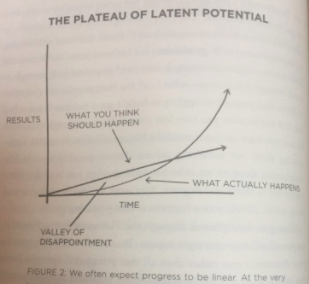
Here’s an image from James Clear’s book Atomic Habits. I find this a useful analogy when talking about blogging.

James Clear Atomic Habits

What you think will happen with a blog is very well described by the diagonal line in this chart. What actually happens is the curved line. With a blog you write a lot of content and nothing much happens. But if you stick at it long enough, your results start compounding. That’s where the results line goes up exponentially; that’s where the results are! It’s where you can see some dramatic results and a regular passive income from your blogging efforts. That’s where you start blogging away debt! See also how long does affiliate marketing take.

Blogging Away Debt – Groundwork

Keeping the image above in mind, it’s useful to set the groundwork for blogging away debt, if that’s your intention. Without a long term plan, it can be easy to get stuck and lose momentum. If you spend too long looking for results without putting in the work, you can easily get demoralised and quit.

Choose the wrong topic to blog about and you can set yourself up for a much tougher journey. But if you choose a topic you’re aligned with, which floats your boat and which you are enthusiastic about, you can blog forever! It’s well worth therefore defining your blog topic before starting out. What would you love to write about and for a long period of time? Forget the monetisation methods for a moment and really dig deep into the topic of interest which you can build content in for several months or even years.

blogging away debt - ikigai

Ikigai is a Japanese work which is roughly translated as “reason for being”. If you can tie your ikigai together in some way with your blog, you will much more easily be able to sustain the necessary levels of motivation and work to succeed with blogging away debt.

Blogging Away Debt – A Cautionary Tail

I thought blogging away debt was going to be easy. But I started down the wrong path. I thought if I picked a subject which had very little competition, that I could more easily monetise it and get free traffic! So I picked a very micro niche to blog in – harvesting mushrooms – talk about a very specific niche! I knew nothing about mushroom harvesting and nor was I interested in it.

I started with the money and thought that by finding an untapped niche, I would rank at the top of Google and earn visits by virtue of having less competition. Micro niche blogging is a good idea because you have far less competition on the search engines than many more popular topics. But the best micro niche for blogging is one in which you at least have an interest in!

Start With Why

start with why
Start With Why – Simon Sinek (explains why your “why” is the best place to start with any venture).

I blogged and blogged about mushroom harvesting and my blog was called whentoharvestmushrooms.com. I did get top ranking for the main keywords but over time I lost interest and my blog dropped down the rankings. The posts were difficult to write because I didn’t know the topic. As such they took considerably longer as I had to research every one. I couldn’t sustain the necessary effort and eventually gave up. Nothing was worse for me than to write more content on this subject which I had zero interest in!

So before you rush into blogging away debt, consider that you’ll need to keep at it for some considerable time to make it pay. Building your blog around a passion or interest means you’ll be able to keep it going over the longer term. This in turn will give you more chance of it becoming a successful blog, which you can more effectively monetise and start earning an income from.

Blogging Away Debt – Why Most Fail

Many people start with the intention of blogging away debt and quit long before it has become a reality. See affiliate marketing failure rate. So it’s wise to choose you path carefully. Don’t rush in and make sure you have a good foundation. Blogging can build an amazing passive income and it’s worth keeping this in mind when you’re struggling in the early days.

Another great analogy I like to use for blogging is the Chinese bamboo tree. The Chinese bamboo tree has an astonishing 4-5 year gestation period where it doesn’t show any growth. If you were trying to grow a bamboo tree and knew nothing of this, you would likely decide you’ve been sold a dead crop. But after the 4-5 year gestation period the Chinese bamboo tree shoots up by 90 feet in 6 weeks.

chinese bamboo tree and blogging

Blogging is like this too. Initially you won’t see much in the way of results for what can be a long period of time. Depending on your topic, how much you do and the relative competition it can take months or years to make money from a blog. How you monetise your blog is also another factor.

Blogging Away Debt – Products/Advertising

There’s two main strategies which most bloggers will use to monetise their blog:

  • Affiliate products – sell them from your blog directly and/or build an email list and sell them through email marketing. See the power of email marketing.
  • Advertising revenue – Google Adsense runs a program where you can place adverts on your blog posts. You earn small amounts of revenue generated from the advertisers when people click on your ads.

Affiliate marketers use their email list to generate interest in them and their topic. Then they sell affiliate products to their email list subscribers. Building a list is definitely a good idea. From a blog you’ll only get a small percentage of people directly buying from you. But if you give them value through email messages, you can develop a longer term relationship. People can purchase from you even years after they have signed up to your email list. So it’s well worth building an email list of subscribers to help monetise your blogging efforts.

Recurring Income Products

Depending on your blog topic, you can usually choose from thousands of products which will suit your audience. But it’s worth considering your products before you start a blog too. With my mushroom harvesting blog I made the mistake of not doing this. I threw myself into the task, but later found that it was difficult to monetise that topic.

blogging away debt

Again use the ikigai principle here. If you choose products you like and find valuable, chances are good that your audience will too! Especially if you are aligning your values and interests with the topic of your blog.

Recurring income affiliate programs are particularly good for affiliates. Most affiliate products will only pay you once for each sale. But with memberships and software products, (which pay recurring commissions), you continue to earn on monthly basis from the sales you’ve made previously.

Blogging Away Debt – Summary

If you’re serious about blogging away debt it can be done. Just be aware that blogging is a long term strategy and it will take some time and effort to make it profitable. There’s other ways too of making an income from the internet. Checkout this free video series which will explain some of them.

Blogging is a great low cost way of building a digital “footprint” online which you can monetise. If you choose a topic you’re passionate about and stick at it over the longer term, you’re much more likely to succeed.

Here’s some other articles on this site around the topic of blogging: