Can You Make A Living Blogging?

Can you make a living blogging? If so how is it done? Blogging is definitely a slow burner and it takes time to gather momentum with it. Depending on the time you put in and the topic of your blog, it can take months or even years to build a solid income from blogging. I’ve been a blogger for several years now, and I’m still not making a living from blogging entirely. But if you commit to blogging and make it your intention to blog for a living, there’s no reason why you can’t achieve it.

can you make a living blogging

Many bloggers make a full time income through their blog, despite that fact that there’s plenty of competition for blogs online. There’s over 600 million blogs online and this number is growing all the time. With the advent of AI, it has become more difficult making a living blogging. Not only blogs written in record speed by AI writing machines, but Google employs AI itself in the search results. This makes it more difficult to rank your content, especially if you’re new to blogging.

So how can you build a blog which makes money, while writing about a topic you love? Well here’s my strategy for doing exactly that.

Can You Make A Living Blogging? Yes, but..

You can make a living blogging yes. But it takes time and a lot of effort. Most people aren’t going to stick with it long enough to make it happen. I’ve had several blogs which simply fell away after I lost interest in the topic. I blogged about all sorts of things when I started out as an affiliate. I blogged about recipes, mushroom harvesting, shed building and a whole lot more to attract traffic to my affiliate offers. But the main reason none of these blogs succeeded was because I didn’t care about my topic.

can you make a living blogging

After several failures (also learnings if you reframe “failure”), I landed on this topic – affiliate marketing mentorship. I seemed to stick with me because I’m passionate about self help, psychology and earning a living online. The “affiliate mentor” niche therefore seemed to work for me because it’s something I’m passionate about.

So my best advice if you want to make a living blogging is to find a niche with which you’re passionate about and in which you can keep blogging for years, yes years. You can have some success with a blog within a few months. I started making sales through blogging quite early – within a few months. This spurred me on and is the reason why I’m still blogging today.

If you’re only blogging for the end result – to make affiliate sales, there’s less incentive for you to keep going when nothing seems to be working. But if your motivation is intrinsic (comes from within), then you’ve a better chance because you’re going to stick at it longer, because you love it!

Can You Make A Living Blogging – Products

The other necessity to make a living blogging is to find a good product (or products) which you can sell from your blog. I only promote products I’ve used myself personally and therefore I can recommend them with integrity. In the beginning when I started out as an affiliate, I would try and sell any old product, whether I had used it or not. But this isn’t a great idea. How can you wholeheartedly recommend something if you haven’t even bought it yourself? The answer is you can’t!

Ideally find a product which aligns with your passion. That way, you attract an audience who will also love your product. So if you’re writing about Yoga, use a Yoga course to monetise your website. But find one which you genuinely love and can recommend, or create your own course and sell that.

Good product are generally more expensive than others and although this might mean an investment upfront, it also means larger commissions when you start making sales. Plus, high quality products offer subscriptions and customers are more likely to stick with something which is super valuable, rather than the latest fad! You can find affiliate products in almost any niche with a quick Google search. But finding high quality products which will last can take a bit of digging.

Targeting Long Tail Keywords

As a new blogger, it can help to target long tail keywords with low SEO difficulty. This has a two fold benefit:

  • It boosts your “SEO power” or domain authority with Google, thereby increasing your rankings on the SERPS – Search Engine Results Pages. More content (especially high quality content) in helpful for your SEO – Search Engine Optimisation
  • It lets you rank for the less difficult keywords and get found on page one of the search results.

Once you have created a few pieces of content for long tail keywords which have less competition, you should have increased your domain authority a little. Then start going after more competitive keywords which attract the target audience suitable for your particular products/niche.

Content should also be aimed to help and inspire your audience which you’ll build through the use of an email list.

Why Build An Email List

Blogging is time consuming and you aren’t guaranteed a place on Google’s first page, however good your content is. So in order to give yourself a better chance of building a large audience, it’s wise to build an email list of subscribers. An email list gives you control over your traffic, without which you’ll have to work really hard for (through content marketing) or pay for traffic with paid advertising.

If your advertising platform has a problem, or your rankings drop off Google, a lost redresses the balance and gives you more control. You can still email your subscribers and get traffic to your blog posts (and your offers) if you have a list which you build up over time.
aweber

Can You Make A Living Blogging – Building Your Email List

Your blog posts can be used to attract an audience to your website. However, most of that traffic will simply leave within a few minutes, if not seconds! To build your email list you need to offer something of value from your website to encourage your visitors to join your email list.

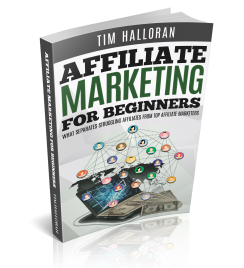
For example, I use this ebook as one of my own “lead magnets” – click on the image to download it!
beginners

Ebooks, downloads, pdfs and video courses are all good “lead magnets” you can use to build an email list from your blogging. Ideally choose something that aligns with the products you’re going to use to monetise your blog with. I offer a training and education resource to help people build an income online from scratch. (Join my list by accessing my ebook for more information).

Helping Your Subscribers/Visitors

A blog should be useful in some way to your visitors and subscribers. Otherwise, you won’t attract much of an audience and you won’t build trust with that audience. Putting the cart before the horse and trying to sell your wares before building this trust is where many bloggers go wrong. You need to put in the work first, before you can capitalise on the rewards (in terms of sales).

So help your visitors and subscribers through your content. Build trust by offering value. Once people trust you, they will keep coming to your blog and keep opening your email messages. When you recommend something, they are much more likely to buy from you if you have built this trust first.

Again, this takes time. So in order to maintain your enthusiasm, long term, pick a topic you love writing about. Recently I had someone buy a course from my email list after 5 years of being on it! This just shows the power of the email list. If you don’t capture your blog visitor’s email address somehow, there’s no chance of this happening because they will be long gone!

Passion Project & Sub Niche

Like any passion project, it can take years before you’re up and running, making the kind of money you would really like. But choosing the right topic and the right products in the first instance will put you in good stead for long term success. Make sure you offer something of value to give to your visitors, such as an ebook or video course and use this to build your email list.

As your email list grows, so will your income if you consistently offer value, and build your blog, sharing and linking to it as you go.

Checkout my other posts on blogging below:

It can also help to find a sub-niche with your blog topic. A sub-niche is a niche within a niche. So for example, if your topic is Yoga, a sub-niche might be Yoga for seniors, or chair Yoga for rehabilitation, or Yoga for back pain. A sub-niche is a good idea for bloggers because there’s less competition in a sub-niche.

As such you’re likely to gain more traction with your blogging. Sub-niche topics are also good because you get a very specific type of visitor. So if you target a sub-niche well, you can do very well with your sales, knowing exactly who is going to visit your blog and what they are likely to purchase.

Summary

Anyone can make a living through blogging if they choose a good topic, monetise it well and spend enough time on it. However, it can take months or years in some niches before you will see the “fruit”. If you intend on starting a blog, you’ll find it much easier to write about a topic you’re passionate about or at the least interested in. A passion project is also much much enjoyable over the longer term, whereas if your sole interest is the income, you might find you’ll lose interest after a few months of blogging.

Ideally choose a topic you love in a sub niche which has less competition. Monetise your blog with a high value affiliate product which you genuinely endorse, if not your own product. Build an email list and start collecting subscribers by offering a freebie of some kind. Then keep writing high quality content for your target audience and providing value for them.

How To Make More Affiliate Sales

Wondering how to make more affiliate sales? The key to making more sales is to first identify where you sales are coming from. Once you have established how you’ve made a sale, you can simply do more of the activity which brought the sale in! If you’re yet to make a sale in affiliate marketing, you need to focus on an action or activity which will bring in the sale.

For me, sales generally come through someone joining my email list and purchasing a product. So building my email list is the focus if I want more sales. If you don’t already have an email autoresponder you can get one here. To build my list I do a number of actions: create content on my blog (and video for YouTube) and run advertising campaigns (Google Ads, Bing, YouTube).

email marketing for affiliates - aweber

How To Make More Affiliate Sales

One of my main strategies is blogging and I’ve been a blogger for several years now. I’ll admit that blogging can be slow. You can spend a lot of time blogging and nothing happens, sometimes for months. But then, you’ll drop a sale and you can track it back to a blog post you wrote (often months or years ago)! But the good thing about blogging is that it’s cheap and you can do it anytime and from anywhere.

how to make more affiliate sales

A faster way to generate sales is through paid marketing. If you have a marketing budget, it’s well worth running some ad campaigns and testing out some landing pages. A landing page is a specific page built with one thing in mind – to collect email subscribers. A website is different. There’s more going on on a website. That means there’s also more distractions. So you don’t want to spend money sending people to a blog really, since much of your marketing budget will be wasted.

Instead, send paid traffic to a landing page and collect email subscribers. A subscriber is much more likely to turn into a sale than a website visitor. With a subscriber, you have more opportunity to sell because they join your email list and you can continue to send them your marketing messages. Whereas on a website you only have a small “window” with which to sell. After that, most website visitors are gone forever!

How To Make More Affiliate Sales – Isolate An Action You Can Repeat

I like blogging because it’s an activity I can spend time on which I enjoy anyway. It’s also an activity which brings me leads which in turn bring in sales. Here’s a few other actions which can ultimately lead to more leads and more sales:

how to make more affiliate sales
  • Running ad campaigns – testing ad campaigns is one of the best things you can do for affiliate sales. Ultimately you want an advert which performs and brings in a good ROI – return on investment
  • Social media activity – there’s various social media strategies you can use to attract traffic to your offer. Checkout my post on unpaid social media marketing.
  • Uploading videos – either for organic traffic or to run paid ad campaigns – while organic traffic can take some time to come to fruition, it’s a lot like blogging.
  • Emailing your list – if you already have an email list, you can increase the number of regular emails you send out. Try upping the output and see what the result it. Often I have increased my emails to include one every day and it’s resulted in more sales.
  • SEO – there’s other search engine optimisation strategies you can use too including blogging, back linking, optimising content guest posting and blog commenting.

In terms of SEO, small daily habits are the best because each little action doesn’t in itself move the income needle of your business. Paid ads can do that once you find one which works well. With SEO, your little efforts add up over time. So don’t discount them just because they don’t appear to make a massive different.

Create Daily Habits

There’s a John Dryden quote: We first make our habits, and then our habits make us.

Never has this been more true than with affiliate marketing. With affiliate marketing we get excited at first, expecting a lot to happen. When it doesn’t, we become disillusioned and give up! This is why 95% of affiliates quit. Motivation doesn’t last, and you might find yourself procrastinating and dawdling when you should be working on your affiliate business. If this happens, you simply haven’t created a strong enough habit pattern to keep you moving forwards.

Set a goal for the achievement of something relating to your habit. Then create a habit out of the action which will bring in more sales. My latest goal is to reach 1000 blog posts on this website, (today there are 896 published posts so far). This post will make it 897!

Habits are great because they help you stay the course when you don’t have the motivation! So create habits which are going to help move your affiliate business forwards and create momentum. Once you have momentum on your side, it’s much easier to stay the course.

Split Testing

Split testing is a way of looking at two similar advertisements which have a slightly different factor. For example, you can have two ads the same, but test them for different keywords. Over time, you should find one out performs the other in terms of sales. Or, you can change headings and images in your advertising campaigns. One image might outperform another and so that’s the one to focus on.

Split testing is a great way to increase your conversions by identifying a winning advert and improving on it. The long term effect of continual split testing is a highly profitable advertising campaign which is the most efficient.

Summary

So how can you generate more affiliate sales? Firstly, identify how you make sales already, and do more of what works. If you haven’t yet made a sale, find a marketing method which suits your lifestyle and budget and stick with it until you do! Then focus on doing more of what works and simply get better at it!

As you gain knowledge, you can apply that knowledge to your marketing method to get better results over time. Make sure you track your affiliate sales so you know exactly what activity created the sale. That way you can go back and focus your time on the most productive activity you have found so far.

Many of my sales have come from my blogging. So my latest goal is to write 1000 blog posts on this website by the end of the year. Wish me luck!

If you’ve enjoyed this post please like and share.

Search Intent Versus Interruption Marketing

So what does search intent versus interruption marketing mean? Search intent marketing you will find through Google, and other search engines. You search for a particular phrase or keyword and up comes the results. At the top of the results page you will usually notice some paid adverts. Those are ads run by marketers who show their ads specifically for certain search phrases which match their business.

search intent marketing

Search intent marketing is pretty good for marketers because they can limit wastage by only showing their ads to likely buyers. They know who is more likely to buy through their search intent – or the keyword or phrase they have entered into Google. So if you’re selling an yoga course, for example, the keyword which triggers your advert might be “yoga for beginners”.

Search intent marketing is also good because you can determine through experimentation which keywords are best for your business. Once you’ve done some testing, you will know which keywords perform the best and help bring in customers.

Search Intent Versus Interruption Marketing

“Interruption” marketing is so called because you’re interrupting someone on a platform in order to show them your advertising message. Facebook, for example, is a platform where you use interruption marketing. The user hasn’t particularly searched for your product/service, but you show your ads to them because they meet the criteria of your market demographic.

In some cases, the user has expressed an interest in your particular product (in the past), or one like it, and this information is used by a marketer to find them. The Facebook marketing platform is pretty clever and you can target people according to a number of criteria such as:

search intent versus interruption marketing
  • Age
  • Location
  • Interests
  • Sex
  • Connections
  • etc.

Interruption marketing is useful for marketers because they can target people who are likely to want their products, even if they aren’t specifically looking for it. So although the end user isn’t (in that moment) specifically typing in a search query, as with Google, you can still zone in on people who are likely to buy if you’re a marketer.

Search Intent Versus Interruption Marketing – YouTube

YouTube is another platform where you can find targeted individuals for the purpose of promoting your products or services. With YouTube, you can also use keywords as well as simply placing your advert in front of likely customers based on their watching habits.

If someone is actively searching for Yoga videos on YouTube, there’s a good change they might be interested in a Yoga course you might be selling. Or you could target people of a certain age, or with certain ailments, who might benefit from Yoga. You can also target people based on the videos they have watched on YouTube, their age, location and even their income.

YouTube is a search based platform and you can actively use the search bar in order to find videos of interest. But it’s also a platform which uses interruption marketing. You will have noticed that the adverts on YouTube interrupt your viewing a certain video. So you aren’t actively looking for those particular adverts, as with search intent marketing on Google.

search intent versus interruption marketing

YouTube

YouTube is a good place for a marketing campaign if you carefully identify your target market. The target market is the small slice of the online marketplace who is most likely to want your product/service. (See also customer avatar worksheet pdf). If you notice on YouTube adverts there’s often a “hook” in the first segment of a video advert. The advertiser says something to “hook” you in. That’s to engage with their target audience. Those who identify with the first few seconds of an advert will stay on and often click through to the offer/product.

If someone stays on an advert for longer, the marketer will have to pay. But if someone clicks off straight away, there’s no cost for the marketer. So the best adverts for YouTube marketers are those which repel those who aren’t interested and attract those who fit the description of the marketers target audience. This is the first few seconds of an ad – the “hook”.

Search Intent And Organic Marketing

Search intent marketing also includes organic search results you will find on Google. Those are the listings you will find on page one of Google’s search results for any given keyword. Usually there’s some adverts at the top of the page.

These are paid for ads run by Google’s Adwords program. Depending on the topic you are searching for these may or may not appear. Under those results you’ll find organic search results. These are the results which Google ranks “organically” without having to pay.

It’s worth pursuing some organic listings for your business, especially if you have a local business. However in the top niches, it’s very competitive and difficult to obtain a high ranking listing for a competitive keyword or phrase. Organic listings are highly sought after because if you can get free traffic, and make sales from your listing, you’re in a high profitable position.

However this can take a long time and a lot of effort, and there’s still no guarantee of a first page listing.

Summary

Search intent marketing is where someone uses a search engine (Google, Bing, Yahoo, Duckduckgo.com etc) to search for a keyword or phrase. The advert pops up at the top of the search results and links through to a website where something is for sale. The marketer carefully selects keywords which are only relevant for their business so that they have a greater chance of making a sale for each click they pay for.

interruption marketing

With interruption marketing, you are “interrupting” the user of a social media platform such as Facebook for example. The user isn’t specifically searching for your product/service so you “interrupt” them while they are on social media. Interruption marketing can work really well for marketers because they can target people very specifically based on a number of criteria. These are things like someone’s location, age, interests and hobbies, for example.

Whether you use search intent marketing or interruption marketing will depend on what you’re selling and how you intend to sell. With a location specific business, you can focus in on your local area, which can help you save your marketing budget and not waste it on those who are too far away to subscribe to your services.

Whichever form of marketing you use, it’s useful to identify your target audience. The target audience is the specific type of person you intend to attract to your business. You can identify them through their search queries, interests, location, age, and other demographics. Once you have built up a solid idea of who your customer avatar is, you’ll save a lot on your marketing budget because you can eliminate people who are less likely to buy from you and avoid spending marketing budget on them.

Trading Time For Money Vs Online Income

Trading time for money vs online income, what’s the difference? Most people are trading time for money in traditional employment. You work a certain number of hours for a certain amount of money. The problem is there’s only so many hours in a day, so you can only earn so much.

trading time for money vs online income

When you hit the later years in life that realise that you want your life back! You want more time and the money to do with it what you want! But there’s a problem. You must keep turning up to work over and over, no matter how many other things you’d rather do! If you quit your job, you can’t support your lifestyle.

There’s an answer which can get you out of your job before retirement and it’s the internet. With the internet, you can get paid for selling other people’s products and services. This is a business model known as affiliate marketing.

With affiliate marketing you can choose almost any product and sell it. There’s no need to speak directly to customers or hold any products. You can sell products directly from links, affiliate links to be precise.

Trading Time For Money Vs Online Income

Through the sale of products and services online, you can escape the time for money conundrum. In a job, there’s only so much you can earn because there’s only so many hours in the day. With an online business, you can sell products over and over again, and there’s no limit because you have a global audience at your fingertips. Plus, selling products online isn’t dependent on your time and the process can be completely automated. That means you can sell products while you sleep, while you’re on holiday or even while you’re doing you 9 to 5 job.

trading time for money

An online income can be built up around your existing job so that over time your online income can slowly replace your existing income. Once your online income overtakes your employment income, you’re in a great position if you want to quit your 9 to 5! Many people dream of living a life on their own terms, travelling and spending more time with their family. But most never are able to do it beyond the remit of their 2 weeks holiday a year from their employment income.

With an online income, you can get paid for selling products and services and automate the process so your income isn’t dependant on your time.

Trading Time For Money Vs Online Income – Getting Started

Before you can earn an income online, you’ll need to set up some infrastructure and learn the strategies of selling online. One of the main ways to do this is through email marketing. Build an email list of subscribers and offer them something valuable in return for joining your email list. As your email list grows you can earn income by promoting products which are of interest to your subscribers.

aweber

Many online business owners build their lists into the tens and even hundreds of thousands of subscribers. By sending relevant and useful information to their list, marketers can generate income through product sales.

The best thing is that this can all be done on autopilot while you’re doing other things. Once you have the infrastructure in place, you can simply send targeted traffic (website visitors) to your email list. From their the automated email messages are sent out daily to your subscribers.

Affiliate Products – What To Sell

The best products to sell are those which offer the most value to your subscribers. Products which offer the most value are the ones which tend to sell. There’s millions of products you can choose from as a product referrer (affiliate marketer). Some affiliates will head to Amazon and promote any of the thousands of products on the site. But there’s also digital products you can promote too, which offer higher levels of commission than Amazon’s physical product range.

See also best affiliate products to promote.

Certain products pay much more more than others too, such as high ticket affiliate products. Those are products which have a much larger price tag than most. You can also sell products which offer subscription payments. So you can get paid over and over for each sale you refer. These are good for affiliates because you can start earning a steady income quite quickly once you start making sales.

trading time for money vs online income

Summary

Trading time for money in a job can mean you feel trapped not only by the need to keep showing up but also your need for the income it provides. An internet based income can be generated around existing work through the use of affiliate products. Affiliate products are other people’s products and services which you can sell for a share of the profits.

By using automation in the sale and delivery of online products, third party referrers (affiliates) can generate an income around existing employment. Over time, this can be built up to completely replace and grow beyond what you currently earn.

Once the infrastructure is in place with an online business, it can largely run on autopilot. This means your income isn’t tied to your time, as with employment. Online business owners can travel and live anywhere providing they have access to the internet and a laptop.

Learn more and start your own internet based business here.

How To Generate An Income From The Internet

There’s a few ways to generate an income from the internet and over the years I’ve tried a few. In the first instance, I tried Forex marketing. Forex marketing, is trading on the Foreign Exchange markets. I used Forex pairs and jumped in an out of the markets speculating on the small market shifts. Despite spending a couple of years learning a strategy for this, I eventually gave up on it. Around 95% of new traders blow their trading bank in the first year of trading, never to trade again.

How To Generate An Income From The Internet

Trading Forex can work if you stick with it and are very disciplined. But for me it wasn’t to be. I then tried a bit of buying and selling on eBay. I started off buying from charity shops in the 90’s and then found a strategy where I found bargain items on eBay itself and sold them on. You can read about the strategy I used here.

After a while of buying and selling from eBay I decided it wasn’t working out. I seemed to be spending a huge amount of time finding items and re-listing them, not to mention the time I spend queueing in the post office. So I looked for something else, which might have more potential.

How To Generate An Income From The Internet – Selling Online

I had learned the eBay strategy I mentioned through the purchase of an ebook, which I bought off eBay. The transaction seemed pretty simple: it was a digital book which I could buy and download instantly. This seemed to me like the perfect business model – nothing to physically post, and no stock gathering dust in my spare room!

So I decided to write my own ebook and sell it from a website. The trouble I found was in attracting traffic to my website. I couldn’t find any buyers, despite having figured out how to automate the sale from my website. So I put myself on a marketing course with the idea to sell my own ebook. (More on selling your own ebook here).

How To Generate An Income From The Internet

The course I joined was about affiliate marketing and I realised that I could easily sell existing products (which were worth much more than my ebook) in the same way as selling my own product (my ebook). My ebook was up for $10 but I could earn more by selling the course I purchased – even though I only took around 40% of the sale price! So I set up a website through the course and started selling a course.

How To Generate An Income From The Internet – Advertising

After a few setbacks, including the course creator taking the course off the market (this was back in the early 2000’s) and having my advertising platform suspended, I changed tact. I couldn’t use Google Adwords (the paid advertising platform used to sell the product). So I switched to another strategy. I started trying to earn income from advertising on a website. This is another strategy you can use to earn online. By earning income through advertising clicks, you can effectively earn a passive income online. However, the clicks are only worth tiny amounts. So you need a lot of them in order to be profitable.

After a lot of blogging, I was still only earning a few pennies a day (cents in the US). So I decided that this strategy wasn’t the best! Looking back now I now realise how much time I was spending jumping from one idea to the next! This is known as “shiny object syndrome”! Do yourself a favour and learn from this mistake of mine! Don’t look for the “quick route to online riches”. Instead, study affiliate marketing – one of the fastest ways to make a real online income and replace your employment income.

Why Affiliate Marketing Is The “Best”

Whatever works is what I believe is genuinely the best. However, in my personal experience, I’ve definitely found affiliate marketing to be the best. In the early years of my experimenting with online earning methods, I made trickles from advertising revenue (Google Adsense) and I made gains and losses from Forex marketing and ebay strategies. However, the best gains for the least amount of work and hassle definitely came from affiliate marketing.

beginners guide to affiliate marketing

This is of course why I pursued affiliate marketing with a passion. I did of course come up against a number of obstacles. Google algorithm changes, ad platforms disallowing and disapproving (and even suspending my account) and massive drops of my ranking content on the search engines are just a few of them.

But with affiliate marketing you can find and sell the best products online. You don’t need to create a product yourself. So if you can find high value products which already sell, half the battle is already won. You then need to focus on a marketing strategy you can stick with for at least 6 months to a year; whether this is paid marketing, or a cheaper alternative, such as blogging or v’logging.

Getting Started

You might be thinking this is all too much hard work? But if that’s the case, you’re probably not in the right space to start learning affiliate marketing. Those who succeed at affiliate marketing have a big reason to succeed. It’s not easy for sure, but once you understand how to use the leverage of selling online, you will have learned a skill for life which is life changing.

Get started here with a step by step system. It gives you all the products and software you need to set the infrastructure for a solid online business from scratch. Once set up, you only need to learn how to market your sales system and generate leads. It’s one of the simplest selling systems online.

Access here and get started!

Where Does Your Website Traffic Come From?

If you have a website, and are attempting to attract an audience, you might have wondered where your website traffic comes from. Website traffic comes from a few main areas: organic, direct and referral, paid, email and social media.

Where Does Your Website Traffic Come From?

Organic traffic comes from the search engines. So people are finding you from a search enquiry from Google, Bing, Yahoo, Duckduckgo or one of the other search engines on the internet. If you have a lot of content on your website, this is more likely to happen. Or much of your traffic will be for specific keywords for which you are ranking highly on the search engine results pages (SERPS). For example, if you have a store which specialises in something, that keyword is likely going to bring up your website – especially if you have a locally based business and someone is searching locally.

Where Does Your Website Traffic Come From?

Direct traffic comes from someone who knows your website url. So your website address is typed directly into the search bar at the top of the screen (on a laptop/computer). Or this kind of traffic can come through some unknown source too. If you use business cards and flyers to advertise your business, you might get people finding your website through this form of advertising. Direct traffic usually comes form someone who knows your website address, or has visited you before.

Where Does Your Website Traffic Come From?

Referral traffic comes from other websites. If someone has linked to your website from theirs, visitors can find you through the referral link. Or, if someone recommends your website from an email, this can also be a form of referral.

Paid traffic is another possibility if you’re paying to drive traffic to your website. Paid platforms such as Google Adwords, Microsoft Bing, and social media platforms also offer paid advertising for website owners. Paid advertising is one of the fastest and most effective ways to drive customers to your business online. With Facebook, for example, you can even specify the type of person you want to attract. Demographics such as their interests and location can be used to attract the most likely type of people who will buy from you.

Where Does Your Website Traffic Come From? – Email Marketing

Email marketing is also a great way to get people to your website. By building an email list of subscribers, many website owners boost their number of visitors. An email list can be built by offering a giveaway of some kind on a website.

where does your website traffic come from

Ebooks, video courses, downloads and discounts are just a few of the things website owners offer to their subscribers. This encourages website visitors to opt in to their email list. Once on your list, you can send out updates and new content for your subscribers to visit.

Social media is another source of website traffic. By sharing content on social media, and building communities, groups and pages etc., website owners can begin to attract people from Facebook, Linkedin, X.com and many others.

Diversifying Your Traffic Sources

Having a diverse source of traffic can be a good thing if one particular source lets you down. For example, if you rely heavily on paid traffic, but have a problem with your advertising account, it can leave you vulnerable. In the same way, relying on SEO (search engine optimisation) too heavily can give you problems. When Google updates their algorithms and your website is penalised, for example. Your rankings can quickly fall off the search results overnight, leaving you without any traffic.

So it’s a good idea to do a little of each:

  • Paid advertising (e.g. Google Adwords)
  • Email marketing – build an email list that you own
  • Social media marketing – sharing content on social media
  • SEO – Search Engine Optimisation – create lots of content which can rank on the SERPS
  • Offline advertising – directing people to your website directly (direct traffic)

Getting More Traffic To Your Website

As you can see there’s lots of ways to generate traffic to your website. If you set aside a marketing budget each month, paid traffic is the fastest method of getting people to find you online. However, you need to be careful because not all that traffic will convert into customers. So make sure you target the right people who are most likely to buy from you. See my post on target audience and learn about your customer avatar. Then start with a low budget you can afford to lose while you learn.

where does traffic come from

SEO Search Engine Optimisation is another way to attract (organic) traffic from the search engines such as Google and Bing etc. To attract a lot of organic traffic, you need to create valuable content on your website which is targeted towards your ideal customer (customer avatar). Write content which will be useful to those people you want to attract. Share your content on social media frequently to give yourself another “stream” of traffic. You can use social share buttons and software to help with this. See my post on best free blog plugins for WordPress.

Offline advertising is another option to attract direct traffic to your website. Use flyers, business cards, newspaper adverts and the like.

For referrals you can write blog posts for other website owners within your industry. Do this in exchange for referral links (also known as back links). Back links are a highly valued ranking algorithm factor which can boost your content in the search results pages and give you more free traffic from Google.

If you know people within your industry/niche, you can always reach out personally to ask for backlinks too.

An Interesting Thing About Blogging

There’s an interesting thing about blogging and that is that it casts a shadow. Let me explain. Back in July I set myself a goal of getting 1000 website visitors to my blog in a single day. Check out my post “how to get 1000 website hits in one day without paying“.

At the time, I was getting on average around 200 hits on my website. So 1000 hits was a bit of a stretch for me. That’s what a goal should do though. A goal should motivate and inspire you to take actions which you previously were not taking! My goal definitely inspired me into action. I blogged much more than I would otherwise have done last month.

I didn’t quite hit 1000 hits though, in a single day. I got pretty close to it though hitting over 800 hits on many days. Checkout my stats below and you’ll see my goal definitely pushed up my traffic: (see also the importance of goal setting).

about blogging

An Interesting Thing About Blogging

The thing is though, before I set my goal my traffic stats showed a much lower amount of daily traffic. When I set my goal, I was inspired to write more blog posts and to promote them (on social media) and share them every day with my list. I did this for about a month without fail.

Then a funny thing happened. I burned out and gave up! I got busy with other things and my blogging took a nose dive. However, what was interesting is that my traffic didn’t take the same nose dive as my activity did. In fact the opposite happened. My traffic kept going up! I posted a blog once a week or so, but nothing like the frenzied activity I was used to doing.

It’s now been 2 weeks since my last blog post which was aptly titled dealing with overwhelm! However, my traffic has remained fairly consistent and stuck over the 500 daily hits mark. Checkout the stats below:

an interesting thing about blogging

An Interesting Thing About Blogging – The Shadow Effect

The “shadow” effect of blogging is the lagging activity which happens from the actions you’ve done previously. So, for example, when I write and share this post on social media, it might not get seen for a few days by some. So I might get a visitor from that social media share, but it doesn’t happen straight away. Also, I post my freshly published blogs to my email list. Well, someone on my email list might only read my post the next day, or the next week, or even a month later.

an interesting thing about blogging

I’ve heard some subscribers tell me that they put the emails in a folder to look at at a later date.

When I share via my email autoresponder, there’s also an option to share the content with my social media business pages; which I do. So my posts get syndicated out to my Facebook pages, and other social media platforms such as X.com.

I also use a software called Revive Old Posts, which syndicates older content out to social media automatically.

All this activity leaves a shadow – a trailing digital footprint which can lead to later actions and visitors to my website. So, even though I stopped blogging for a couple of weeks after burnout, my traffic continues on.

The Tipping Point Of Blogging

I’ve written before about the tipping point in blogging. That’s where your cumulative efforts eventually “tip” your blog into the big time! The effects of SEO, continued blogging, promotion of posts, email list and your creeping results on the search engine results pages all factor in to your overall traffic. Eventually your previous efforts results in organic traffic which grows and grows culminating in a curve which grows exponentially:

an interesting thing about blogging

However, there’s also the tipping point of the “wave” which reaches its peak and starts to fall away! I believe I may have reached this point, benefitting from the work I did over the last month or so. Ultimately the traffic will start to drop again, as it reaches the point where the “shadow” of my previous work has reached its limit.

Today my stats show nearly 500 website hits. Not bad for free and considering that I haven’t blogged for a couple of weeks! However, if I continued to do nothing, I’m sure this would slowly drop over time.

Summary

An interesting thing about blogging is the shadow it casts and how your previous efforts culminate towards a rising “peak” of the traffic “wave”. Blogging has definitely taken much longer than I anticipated to get to the point of consistent traffic. Google is constantly changing their algorithm and this effects the organic traffic you may have earned previously.

We also have artificial intelligence now which is becoming almost unrecognisable from human content. That means blogging is getting more difficult! So if you want to make blogging work for you, I suggest picking a topic you’re wildly enthusiastic about so you can enjoy the process and so that you won’t get too unhappy when things don’t go according to plan. They undoubtedly won’t!

Dealing With Overwhelm

If you’re an affiliate marketer you’ve probably experienced dealing with overwhelm at some point or another. Overwhelm is, well, overwhelming. It stops you from moving forward in any logical way. The result of overwhelm is non-action, confusion and getting stuck. I’ve recently been in overwhelm again and it’s definitely not for the first time. It often happens when you’re shifting gears from one strategy to another. Or, if you have got caught up in shiny object syndrome, it’s when you jump from course to course looking for the “easy way” to make money online.

But shifting gears is a gradual process. If you attempt to move too quickly while shifting gears, it’s like trying to push a freight train off course. It simply doesn’t happen easily. You need to give yourself some room.

I’ve recently been investigating a free Facebook marketing strategy and I’m not really into the habits with it yet. My previous habits are blogging, and I’ve just begun posting on Quora again. See my post how to use Quora for affiliate marketing for more on this strategy.

While juggling a part time job and blogging and posting on Quora and learning a new free marketing strategy, I find myself sitting doing nothing. It’s quite frustrating really! But I’ve realised that I need to go back to my daily routine which is well established, and gently add the new Facebook strategy over time!

Dealing With Overwhelm – Doing One Thing Well

Trying to do everything in your affiliate business leads to overwhelm and inaction. So if you find yourself here, a good thing to do is to focus on a single daily action step you can get into a habit with.

My single daily action step has always been to write a blog post. So here I am, taking some action again. No matter how small your daily action step feels, it’s always good to establish a routine where you are taking at least one daily action step with your affiliate business. So no matter what your marketing budget looks like, you can always take some positive action regardless.

one thing is easier than many things

There’s magic in taking action steps because it fires up your enthusiasm, and prevents you from procrastinating yourself into a corner.

One single action step is far better than a week of frantic procrastination and spreading yourself too thin among many different strategies. When you spread yourself too thin, nothing much happens because you never gain any traction in any area.

With blogging, my “go to” daily routine, I’ve managed to keep it going for several years now and have built a huge volume of blog posts on this website alone.

Dealing With Overwhelm – The Cycle Of Confusion

There’s a cycle of confusion within affiliate marketing and it explains the around 95% drop out rate in the industry. You join a course, get some training and then it comes time to choose a marketing method and get to work. But you don’t know what’s going to work and what isn’t. If you have a marketing budget, you can start out running ads and testing different marketing campaigns. If you don’t have money for marketing, you’ll need another strategy, such as blogging, video content or using social media.

dealing with overwhelm

The problem with any kind of marketing method is that nothing is guaranteed to work, especially the first time you try it. But particularly with free social media tactics and content creation, it takes a long time before you see any results from it. So you need to be confident in your daily action steps and persevere, often for weeks before you see the result.

The worst thing is, before you take action, you procrastinate. You wonder whether the action steps will work. You want proof that it works! But there is no proof. The results are only waiting for the action takers who put themselves on the line – both with paid advertising and content generation.

Dealing With Overwhelm – My New Facebook Tactic

My new Facebook tactic is only just underway and I’ll share my results in a later post once I’ve given it some time to generate traction. But at the moment I’m running into problems with it. What invariably comes up is doubt and scepticism. I wonder whether it’s worth my time at all. My old habits of blogging, sharing content with my list, positing on social media and answering Quora questions are more established, and therefore easier.

dealing with overwhelm

By taking action on a new strategy, I’m taking time away from my old strategies. Should I stick with my old tactics or switch to Facebook? Will Facebook actually work? These are the questions which fill my mind and while they do, doubt arises and I’m not actually working on anything!

I also mentioned my new tactic to someone who queried it, which led to me querying it! Now I’m doubting my new tactic already before actually starting it properly. It also gave rise to this post on why you should’t tell anyone what you’re doing before it’s done!

Now there’s two sides to this coin because some say you need to be held accountable. Telling someone your goals for example makes them hold you to account. But, if you’re unsure of something, sometimes it’s worth keeping it to yourself before you tell anyone what you’re up to! Anyway, I’ve shared my new tactic here so I hope you can hold me accountable to it. Sign up to my list and you’ll get my future post on the tactic once I’ve proven to myself that it actually works!

Summary

So if you’ve found yourself dealing with overwhelm, unable to think or act, it’s probably worth choosing a single action you can do every day without thought. For me it’s posting a blog on my website, but it could be running an ad, uploading a video, posting on social media. That action becomes your daily staple and you can build on that over time.

When you switch to something else, especially after establishing a routine, your mind rebels. It wants to remain in your old patterns of behaviour. It’s easy to remain the same. So cut yourself some slack if you’re going through this. Rome wasn’t built in a day. Change takes time. Make a daily habit out of one simple action step you can get into a groove with, and build on.

That’s far easier and more effective than jumping from course to course, or strategy to strategy, looking for some magic pill. A single step towards your goals is much better, no matter how slowly you move, than staying in a state of overwhelm and confusion.

Don’t Tell Anyone What You’re Doing ‘Till It’s Done!

Don’t tell anyone what you’re doing ’till it’s done! There’s a reason you should keep quiet about your ambitions and dreams. People have the habit of stealing your thunder, undermining your ambitions and making you question yourself. When you share a dream, make sure that the person you’re sharing it with is on the same page. Otherwise it can have dire consequences. Better yet, don’t share them with anyone, just go out an achieve them first. Let your results do the talking!

don't tell anyone

A dream or ambition is like a seed, which needs consistent belief to grow. When you share your dream with someone who is full of doubt and scepticism, (like many people are), they throw that scepticism on your belief – your “seed”!

You start to wonder whether your dream is valid at all, whether you want it, or whether you should even bother. Your once alive and joyful desire to achieve or manifest something is dulled. Now you’re filled with scepticism and doubt instead.

If you’re particularly empathetic, you’ll easily pick up on any doubt/scepticism coming from others, especially regarding something that’s important to you.

Don’t Tell Anyone What You’re Doing ‘Till It’s Done!

So, why would someone sabotage your dream anyway? What’s in it for them? There’s lots of reasons why someone would do this, and it’s usually done without their awareness. Well meaning friends are often trying to help you, keep you “safe”, or have “concerns” about your direction. Like a well meaning parent, who warns you off the career you want, to encourage one which is “safe” and gives you a “secure” future.

In my 20’s I decided I was going to become a stuntman! That didn’t get a lot of encouragement from a lot of people, I can tell you. Well meaning strangers would tell me how that was only for certain types of people, but not for me. “Former racing car drivers, that’s the kind of people who become stuntmen – but not you”…whoever you are. Pretty soon, I learned not to talk to them about it.

Don't Tell Anyone What You're Doing 'Till It's Done!

If I did, I might have listened. Then I wouldn’t have become a stuntman and got to hang under a helicopter, a dream since I was a kid watching The Fall Guy on television with Lee Majors as Colt Seavers!

Don’t Tell Anyone What You’re Doing ‘Till It’s Done! – Cultivating Your Enthusiasm

Enthusiasm is what drives your actions. If you don’t have any enthusiasm for something, you’re not going to take action for it. At least not any enthusiastic action. You can, of course, keep taking action in turning up to your steady job, even if only because you’re enthusiastic about being paid!

But over time a lack of enthusiasm for the job itself means you’re at odds with it. This eventually catches up with you when your resistance for a job is greater than your desire to keep doing it, or for the money you earn from it. This can take decades, but once you’re completely disheartened about your job/career, you’re forced to look elsewhere and make a change. Or, ruin your life in other ways if you fail to recognise the cause! Using drugs or ruining your relationships for example.

Don't Tell Anyone What You're Doing 'Till It's Done!

The problem here is that over a decade, you become surrounded by people who support your current reality. This is why change is so hard. To change, you need a new direction and new enthusiasm for something. When you suggest this to someone in your current circle, they deny it because it betrays their reality! If you could for example start an online business, and escape the corporate 9 to 5 nightmare, their situation would be worse, relative to you!

Why Naysayers Demoralise You

The “naysayer’s” might not even share your desire to escape (your current reality), and so only reflect their own beliefs back to you, instead of supporting your new venture!

Far easier to denigrate your desire to escape, and be re-assured that there’s no better reality out there than the current one. Should you escape, it would alter the dynamics of the relationship.

So they dissuade you from your new ideas, ambitions or goals, putting your ideas down and demoralising your dreams! Now they are safe in their reality, and the relationship dynamics remain the same. You think “ah well, maybe they are right”, and give up your dream!

If you are uncertain about your dream, and speak to one of these naysayer’s about it, they are sure to kill it for you! This is why you Don’t Tell Anyone What You’re Doing ‘Till It’s Done!

Protect Your Dreams

To cultivate your enthusiasm you need to protect it from these negative influences. Like a seed in the ground, they can easily be washed away. Treat your “spark” of inspiration (or dream) as a newborn, which needs love and protection. Guard it well and keep watering it and feeding it positive intentions, even if you don’t know the actions to take yet.

As Napoleon Hill wrote in his book Think and Grow Rich:

“The subconscious mind is like a garden in which weeds can grow in abundance if seeds of more desirable crops are not sewn therein”

Your inspiration, idea or dream is your “seed” which needs protecting. You must keep adding to it, in order for it to grow: water it and give it love. There’s nothing so damaging to it than asking a friend for encouragement, and none is given. Especially a friend you think well of and trust their judgement, as you do your own.

See also goal setting and identity shift.

Summary

There’s another reason to keep your mouth shut about your future plans around people. Many will subtly sabotage your plans, hopes and dreams because they don’t really want to see you doing better than them. It changes the relationship “status quo” and puts them on their back foot with you.

Many may say they want “what’s best for you”, and are only “concerned” or “worried”. But in reality they are simply relaying their own personal fears and prejudices about a path they wouldn’t tread themselves. Most people simply aren’t coaches, who try and understand what you want and encourage your dreams out of you. Most people subtly convey their own limitations, fears and biases onto you instead of supporting you in your endeavours.

When you practice self control, you give more power to your dreams/goals too. Not only do you disarm anyone’s ability to denigrate your dreams (because you don’t tell them), but each time you keep quiet, you remind yourself of your goal.

When you share a goal you haven’t materialised with the wrong person, they can undermine your belief and desire in it to the extent that you lose all motivation for it, based on their opinion or indifference to it.

Your disappointment that they don’t share your enthusiasm can soon turn to discouragement, even if they mean well!

So keep quiet and show people with your results, don’t give away your intentions!

Who To Target With Your Affiliate Product?

If you’re wondering who to target with your affiliate product, you’re in the right place. It can be easy to get your affiliate link and start randomly “shoving” it out “there”, any way you can. But it’s a mistake. Most people aren’t interested in your product, even if you are! There’s only a tiny slice of the online marketplace who actually is likely to buy your product, and some of those people will require a little persuasion.

But what if you could attract only those people who were ready to buy? Those with their wallets out and credit card in hand? Wouldn’t that save a lot of wasted time and effort? While we can’t always find those exact people, we can certainly “zone” in on those people who are most likely to buy from us, when we show them our affiliate product.

When you know who to target with your affiliate product, you’ll shave a lot of wasted time and effort off your online journey.

Who To Target With Your Affiliate Product – Your Customer Avatar

The first thing you should do once you’ve selected an affiliate product to promote is to define who your customer is. Your “customer avatar” is the type of person who is most likely to buy your product. They are your target audience and focusing your marketing campaign/s towards people like that, is going to give you more sales than not doing so.

Who To Target With Your Affiliate Product?

So, who is your customer avatar? When you’re a beginner affiliate, you probably haven’t given this much thought. If you haven’t run any advertising campaigns yet, you won’t have any data to know who they are. So where do you start? When I began in affiliate marketing, I was in a rush! I rushed through basics like this and wasted a lot of time and effort, throwing my affiliate links hither and thither in the hope one would land on a buyer! It’s a reciepe for disappointment let me tell you!

When you don’t know who to target with your content or your ads, start with your product. Ask yourself who it will serve the most, and why they will not hesitate in buying it.

Who To Target With Your Affiliate Product

If you’re selling a piano course, you want to target people looking for such a course. That’s pretty obvious right? But what if your product is more obscure, like a training course for entrepreneurs? In this case, you would look for people who need a solution to their problem.

Who To Target With Your Affiliate Product?

If someone hates their work, and wants more time with their family, an online business course might offer a solution for them. Here’s a few tips on how to find your target audience through your affiliate product. Start by asking yourself:

  • What problem/s does your product solve, and who might have that problem?
  • What kind of people are most likely to buy your product and why?
  • Where do they live? Is your product location specific?
  • How old are they? Is there a specific age range of the people who will buy from you?
  • What interests might tie your customers together?
  • What do your customers have in common?

How To Target With Your Marketing

Once you know a little about your customer avatar, such as their likely age, interests, location and circumstances, you can begin to set up a campaign which will target them, and them specifically. You can also communicate a single congruent idea/message towards your customer avatar, knowing their circumstances and speaking to their pains/problems.

So, for example, if you’re creating a video advert, you can communicate to someone about how your product can solve their main problem. If they are struggling with a challenging work situation, and want more control over their life for example, you might suggest your business course as a solution.

If you don’t know who you’re talking to, it’s much harder to reach your customer avatar and communicate in a way which connects with them. But if you understand their main problem, you can speak to this in your marketing, and lead them to your solution.

Who To Target With Your Affiliate Product?

Marketing platforms are very high tech these days and you can focus your marketing demographics at a very specific “slice” of the online marketplace. Target people by age, location, interests, income and all sorts of other criteria to get focused on your customer avatar.

As you start making sales, build a database around your customer avatar, getting more and more focused on who your “perfect” customer is, what drives them, and where they hang out online.

Facebook, Adwords, Microsoft, YouTube?

So, which advertising platform should you use to attract your target audience? Well that depends on where your customer avatar hangs out. Which platforms are they using to solve their problems? Google Adwords is a useful platform to find people who are actively seeking a solution to their problem.

They are solution aware perhaps. Solution aware people are actively looking for a product to help solve their problem. So a search on Google could be used to show your advert, for example. You could research keywords which are being used on Google (use Google’s keyword planner tool) for your particular product.

Reviews are a good example of this. When someone is looking for a review of a product, they are solution aware and may be ready to buy. They simply want to know whether that particular product will help them. So your could create a review for your product and run some advertising to it, targeting people looking for that particular review.

If someone knows they have a problem, but doesn’t know what the solution is, their are problem aware. They might be looking elsewhere for a solution online.

Summary

Knowing who is likely to buy from you is super important. If you don’t know, you’re likely to waste a lot of time and marketing budget scattering your marketing efforts about randomly.

When you know who is most likely to buy from you, you’re much better armed as an affiliate to succeed at making a sale. Not only will you know where your customer avatar is and what they want, but you should also get to know their pains and problems, so you can communicate a message which speaks to them directly.

Speaking to a specific person who you’ve identified through their pains and needs, is much more powerful that trying to communicate a message to “all and sundry”. A vague message doesn’t hit home like a specific one aimed at the right target demographic. Once you get to know your customer avatar, and how to communicate with them directly and in a meaningful way, you will get better at making online sales as an affiliate.