Goal Setting & Identity Shift

The last couple of my blog posts have been about the importance of goal setting but in this one I’m going to discuss goal setting and identity shift. One of the reasons you might find it so difficult to work on your affiliate business, or make change in any area of your life, is because of your identity. “Who” you see yourself as, has a great affect on what you can achieve, because it’s embedded in your very being.

goal setting and identity shift

For example, if you see yourself as someone who “struggles”, you might perpetuate that reality because it’s how you identify yourself: “I am one who struggles“. It is “me“. An identity gives us congruency and safety. When we make a conclusion about “who” we are in life, it’s a form of security which the ego can cling to. It is the self image. People get to know us as that person, and they continue to reenforce that false “self”.

When you try and change things you meet resistance, both from yourself and your circle of friends/family. But mostly it is from your “old” version of yourself trying to cling to its reality. You can’t be a “successful entrepreneur” and at the same time “one who struggles” , for example. You can’t be a “fit athlete”, if you see yourself as “fat and lazy”. One of those identities clashes with the other. So, in order to make progress in any area of life, an old part of yourself (an old identity) has to die!

Goal Setting & Identity Shift – Kill Your (Old) Self

But it won’t give up without a fight. Your old self has been around for a long time. You’ve had fun together! You have become comfortable as “that” person you created! That’s the reason that when you set about making change in your life, in any area, there’s a battle going on. Your old self is fighting for its survival! It’s a paradigm which you’ve entrenched in your mind for perhaps years of your life.

goal setting and identity shift

A new “self” will rock the boat. Friends will say things like “that’s not ‘you'”! When you come to “do the work”, you’ll kick and scream because that’s where the old self is fighting for its existence. It resists change because it wants to retain the status quo. It wants to stay alive!

But you want change and the best way to change things permanently is through self growth and an identity “shift”. That won’t happen without a fight, and without losing your old self in the process.

Goal Setting & Identity Shift – Why Goals Often Don’t Work

You might have had some problems with goal setting. You set a goal, and when you come to do the work, you get blocked. There’s resistance. Resistance is anything which comes up which you use to not do the work you need to do to accomplish your goal.

goal setting and circle of influence

Your mind tells you a story about the action you should be taking and it might take a form such as this:

  • I’m not good enough
  • I just can’t find the motivation
  • What if I should be doing something else
  • I don’t really care about the goal anyway
  • I’m not cut out for this
  • I’d rather not do it
  • It won’t matter anyway

You avoid doing the work and the payoff is that you stay the same. Your identity remains in tact. But your situation doesn’t change either. A goal can help you do the work needed in order to change your identity. Once you have an identity shift, you become the person who does the work. But you must push through the pain otherwise you’ll only perpetuate what you already have. You’ll avoid the work, make excuses, and your reality won’t shift.

Summary

A goal sets the wheels in motion and gives you motivation to make change. However, once you have set a goal, you’ll come up against resistance. This will come in the form of your old self justifying why it doesn’t want to shift, why it doesn’t need to shift.

goal setting and identity shift

Observe this resistance for what it really is – your old self putting up a fight! In order to affect change you need an identity shift towards the person who does the work in order to get the outcome you really want – to achieve the goal.

the “old” you is the person who struggles, procrastinates and avoids the work you need to do to achieve your goal. The “new” you (version 2), is the person you must become in order to achieve your goal. The “battle” is between the old you and the new you who is trying to manifest itself through your goal.

Once you become aware of this battle, you can see the resistance for what it really is – the older version of you battling for its existence! This is explained much more succinctly in this video by Charlie Morgan and it’s well worth the hour and ten minutes of your day if you’re struggling with your goals.

Failing With Your Online Business?

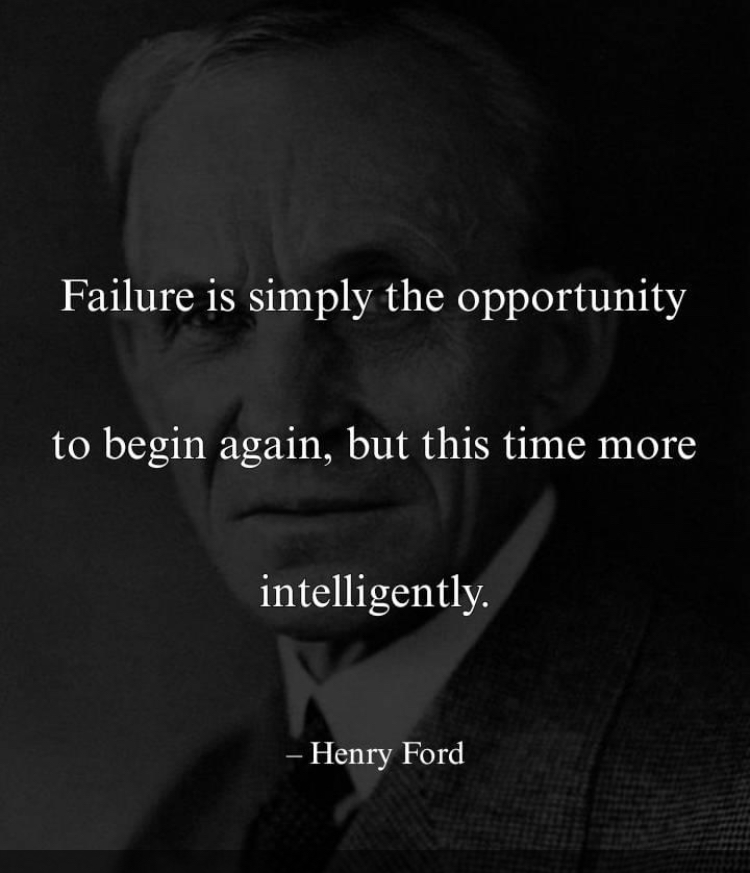
If you’re failing with your online business, you’re still far ahead of those who aren’t even trying. A “failure” is never truly a failure until you quit, it’s actually feedback for those who stay in the race! So if you can keep going, and choose never to quit, you’ll eventually learn from your mistakes and hit a winner. Then you can use that winner to create more and more of the same. Ultimately, your mindset will determine whether you will continue or not, and whether you continue or not determines whether you win (or not)!

henry ford quote

In the middle of July I set myself the goal of getting 1000 website hits on my blog through organic only means. Here’s the post I wrote explaining my method: how to get 1000 website hits without paying. Yesterday was the deadline and I was inspired to write this post: the importance of goal setting, to mark the occasion!

I actually had a shortfall and didn’t hit my target of 1000 website hits in a single day. Here’s my stats. They show I had 746 hits yesterday, a shortfall of 254 from my target! Today is Thursday, which is why it shows only 247 hits so far.

failing with your online business

Failing With Your Online Business?

So, did I fail? Certainly I failed at hitting my target of 1000 hits by the end of July! However, the goal itself served its purpose and I worked much more diligently towards my blogging that I would have, had I not set a goal. Have a look at my stats for the rest of the year as a comparison:

failing with your online business

I decided on this goal in mid July, to spur me on in my blogging! If traffic was my intention, which it was, (and content creation of course), the this is surely a success? Before this point, I was blogging fairly regularly, and you can see I was getting regular traffic to my blog. However, once I set the goal, my activity increased because I had a stronger intention – to reach 1000 hits by July 31st!

In my drive to hit the 1000 figure, I wrote more, and I promoted my blog posts more too! Previously, I was held back by thoughts like:

  • It won’t make any difference if I blog more
  • I don’t want to annoy people with too many emails
  • Will blogging even help my bottom line
  • Should I be doing something else, such as paid ads?
  • Am I taking the right course of action here?

But once I set my goal, these thoughts had no space because I needed to focus on every single effort I could make to reach my goal. The doubting thoughts in my mind had to take a back seat – my goal was what mattered! There was simply no time to entertain negative thoughts like these. If I did, I wouldn’t be taking consistent action towards my goal!

Failing With Your Online Business? – Set A Goal

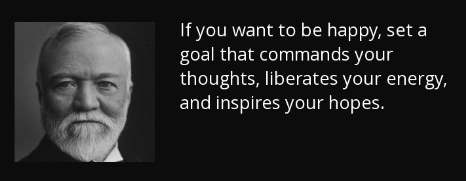
“If you want to be happy, set a goal that commands your thoughts, liberates your energy, and inspires your hopes” – Andrew Carnegie

If you feel as though you’re failing with your online business, set a goal for yourself. A goal should inspire you and excite you. I’ve set many goals in the past which I quickly forgot about. Nothing came of them because I either didn’t care about my goal, deep down, or I didn’t believe I could achieve it!

failing with your online business

But set a goal which motivates, inspires and drives your behaviour, and you know you have set a good goal for yourself.

When I set the goal of 1000 website hits in mid July, I was already blogging, knew I needed some motivation, and knew my goal was more traffic. So the goal was pretty logical.

If you’re unsure of a goal to set, think about an area of life which you’d like to change. With an online business, the goal is likely to relate to achieving more sales. You don’t have to know how you will achieve your goal when you set it, just that you want it, a lot and you believe it’s possible, even if it’s a stretch.

Failing With Your Online Business?

I recently found an old goal I had written (and laminated) in a recent house move. It was dated 2010 and said “I now earn £1000 a month online”. Earning an income online was a goal of mine for a long time, and once I achieved it, I rested on my laurels. I sat back, forgot about my goal, and slowly my online income dropped down again.

I had forgotten about all the actions I had taken to get me to that goal of £1000 a month online. As a result, I stopped doing the things which drove my business forwards!

Had I set another goal, of perhaps hitting £2000 a month online, I would have continued taking the right actions to move my business forward! See my post on contingency goals.

failing with your online business

The same thing happened after I set a goal to become a stuntman in 1998! Once I got my first stunt job, I thought I’d “arrived”. I had achieved my goal! I rested on my laurels and stopped setting new goals. Sure enough, the work dropped away and I found myself back in my default settings – scraping by and doing jobs which made me unhappy.

If you’re failing with your online business, maybe you have let your intentions slide? Can you set a goal which will help you get back on track? One which motivates and inspires you?

“We are not the highest version of ourselves that we can imagine, we are the lowest version of ourselves that we can accept” – Sam Ovens

Summary

So if you’re failing with your online business, perhaps you have fallen into the same trap I did? Perhaps you have let your intentions slide. The negativity has crept in and drowned out your inspirations and aspirations?

You need to refuel your aspirations and intentions by writing out a meaningful goal which inspires and liberates your hopes and dreams!

Set a new goal. Decide where you want to be in 5 years time and choose the outcome you desire. Without a conscious choice of your direction, your arbitrary actions and habits will decide for you!

If you haven’t started an online business, you can begin the journey here! Good luck!

What Are Contingency Goals?

What are contingency goals and why use them? A contingency goal is a goal you use if you change direction, achieve a goal, or meet resistance with your primary goal. It’s a contingency plan for when things don’t go as expected.

In fact, it’s especially useful if they do go as expected! Once you have achieved a goal, it’s easy to drift off into a vague meandering mind space. This is because you’ve “arrived” at your “destination”. As such, you’re no longer driving yourself forwards anymore, so it can be easy to drift.

I only recently heard about contingency goals from one of my online mentors and it immediately struck a chord with me. I’ve set goals in the past, and achieved them only to drift off and meander for years afterwards! In my 20’s I set a goal of becoming a stuntman, which I achieved in 2002 (here’s my IMDB page).

What Are Contingency Goals

What I failed to do, was set a contingency goal once I had achieved my primary goal of joining the British Stunt Register. My contingency plan was eventually to escape the film industry and build an online business. But it took me a few years to realise this is what I wanted.

Contingency goals are useful for when things aren’t going to plan. My stunt career wasn’t what I had imagined, and over time I became demoralised by it. I wanted an online business to give me more control over my income. With the stunt business, I was always at the whim of a phone call.

What Are Contingency Goals & Why Use Them?

It’s useful to have a contingency plan for an online business too because things might not go exactly as you expected them to. For example, you might run out of advertising budget, and need a fall back marketing tactic. I experienced this personally, and hence why I have used blogging extensively. My income from stunt work was always sporadic, which didn’t give me a consistent income for marketing my online business.

But I had plenty of time to create content – so blogging seemed like the natural contingency plan when my ad budget ran low.

A contingency goal gives you the power to create a new destination, rather than hoping that your current habits will take you there. After a few years as a stunt performer, I realised just waiting for jobs wasn’t a good strategy. But I didn’t have a contingency goal for when the phone stopped ringing!

Many people who start an online business have felt trapped by their jobs and income. A goal to build a profitable income online gave me an option out of the stunt business, which I ultimately felt trapped by.

My Latest Contingency Goal

I set myself a goal a few weeks back to attain 1000 website hits on this website through organic means. I even wrote a post sharing my strategy: “how to get 1000 hits on your website without paying“.

What Are Contingency Goals

My goal was to get 1000 hits a day, by today (31st August 2024). While today isn’t over yet, yesterday I reached 860 hits organically, a slight shortfall to my main goal.

The 1000 hits was a contingency goal. After I ran out of advertising budget, I could no longer run paid advertising. But I had a lot of time. So the contingency goal was to generate traffic, leads and sales through blogging.

Why Use Goals

As my latest goal has shown me, there’s huge importance in goal setting. By setting a goal which is both important to you and meaningful, which meets the criteria of believable and desirable, it should drive you towards a meaningful future outcome which you have control of. Not doing so allows you to fall back into your old habits and behaviours and your life becomes the default setting of what has always been so.

Insanity, as Albert Einstein is quoted as saying, is doing the same thing over and over and expecting a different result. Goal setting allows anyone to set a future destined event or circumstance and then work steadily towards it in a logical and consistent fashion.

When I’ve failed before with goals, it’s been because I didn’t believe in them, or I didn’t really care about the outcome. Setting a good goal inspires you towards its outcome, and allows you to focus on its achievement in a desirable and enjoyable way.

Once you have achieved a goal, it’s easy to fall back into old habits and downwards towards your lowest acceptable standards. A contingency goal can be used when this happens. It allows you to focus again, and keep moving forwards towards a life of your conscious choice, rather than living by default.

The Importance Of Goal Setting

What’s the importance of goal setting? Well, if you don’t have a target, you’ll never hit anything! A goal should motivate you and drive your behaviour towards some future attainment which you desire. I’ve found goals have kept me going when I was unmotivated, even if they were only tiny goals. As time has gone on, I’ve become better at setting goals which are meaningful to me.

Earlier this year, I set myself the goal of achieving 1000 organic website hits by the end of this month (today). I even wrote a post on my strategy “how to get 1000 websites hits in one day without paying“.

Here’s my stats for this week:

The Importance Of Goal Setting

Yesterday my website had 860 hits on it. That’s a slight short fall of the 1000 hits goal I set for myself. Still, today isn’t over and I’ll share my stats at the end of this post.

The Importance Of Goal Setting – Did I Fail?

I really don’t consider this a failure, even if I don’t make it to 1000 hits today. The thing is, when I set this goal, my daily hits were around 200 a day. The goal inspired me to aim for a higher figure, something I had never achieved before.

My mindset at the time too was slightly distracted and whimsical. I was feeling a little demoralised and uninspired. I was also wondering whether blogging would actually make much difference in terms of my sales. This mindset, (the uncertain kind), is the kind that leads back into procrastination and inaction.

The goal served to fire me up on all cylinders again. Rather than wonder about whether the action would “work” and spend needless hours on procrastinating on a new method of marketing, I simply focused on the goal.

The goal got me thinking about ways to achieve it. So my mind filled up with creative ways to accomplish it, rather than dawdling, and then doing nothing, which I often do!

The Importance Of Goal Setting – Breaking A Goal Down

I had never before hit 1000 website hits on my website organically, (and still haven’t – yet)! I have achieved this before, but through using paid advertising. By setting this goal, I stretched myself and have proved that goals do in fact work. However, I’ve “failed” many times in the past with goals. Partly that’s because I wasn’t very good at following through, or setting good goals. I would set a goal, and then forget about it. Many times I’ve found my goals on pieces of paper, even years later, laminated lines of text which were long forgotten!

The Importance Of Goal Setting

In a recent house move, I found one from years ago about making £1000 a month from my online business! It was from 2010! The thing is, I didn’t keep track of my goal once I had written it. I forgot about it, and therefore it forgot about me too!

This time, I wrote my goal out and reminded myself of it every single day. That way, I couldn’t forget it. I also made sure I worked towards my goal every single day and that my daily routine was aligned with my goal. In terms of my blogging, I’ve kept up a blog post a day (at least) for the last several weeks! I also made sure I was posting my articles to my email list, and posted them on social media – every single day! The result is a compounding effect. Not every post gets huge interaction, but the compounding effect of doing these small daily actions means an upward tick of my traffic over time.

Why I Never Stuck With Goals

I have a scatter brain, I’ll admit it. So I would write down a goal, and then go and do something different, and totally forget about it. But a good goal is something that keeps you engaged. You want it so bad, you can’t stop thinking about it! It stretches your comfort zones and you believe in it, even if you don’t yet know how to achieve it.

A good goal needs to be a 10/10 for belief (meaning you totally believe it can be done) and a 10/10 for desirability too (you really, really want it). Unless these two parameters are met, you’ll likely forget about your goal, put it to one side, or dismiss it as unachievable. If your goal only scores a 5 out of 10, on either parameter, it’s not going to motivate you.

I used to write goals that I didn’t believe in. No wonder I discarded them. Or I would write goals I believed I could achieve, but didn’t really care about! A good goal is one you believe in, care about and really, really want.

The Importance Of Goal Setting – Summary

The Importance Of Goal Setting

With an online business, it’s important to keep setting goals which drive you forwards and stretch you. With my affiliate business I’ve had periods where I’m running adverts, shooting videos, writing blogs or sending emails.

There’s so many things you can be doing, it can be easy to waste a lot of time, and still get nowhere. A goal ties it all together and keeps you motivated and taking consistent action. Without a goal, your mind can wonder about all the possible actions you could be taking, but end up taking no action, because you’re so confused.

I’ve not always been such a strong advocate for goal setting, because I haven’t always known exactly what I wanted! But if you can set a goal which is specific for you, which motivates you and inspires you into action, it’s never going to be the wrong goal!

the importance of goal setting

The current hits today on this website are 235 but it’s still morning here in the UK! So I’ll update the web count once the day is passed to see if I hit the magic number of 1000! Please share this post because I need all the help I can get!

Update:

Here’s yesterday’s stats and it looks like I only managed to reach 746 hits on my website – a shortfall from my 1000 target of 254!

Still, I have learned a lot from this exercise and I don’t see this as a failure. Yesterday I pushed myself more, asked for shares, and some subscribers even said they would share my post for me!

The thing is, when I send an email out to my list, some people pick it up days later. So there’s a delay. The same is true from sharing some content on social media. Growth with blogging is incremental, and consistency is the name of the game!

Setting a goal of 1000 website hits (organically) has helped give me focus and commit. Without my goal, I wouldn’t have done as much. That’s the importance of goal setting. It gives you a target which helps to motivate you and inspire you! I’ll now set a contingency goal for the upcoming month! See my post what are contingency goals.

I set the goal of hitting 1000 website visitors (in a day) by the end of the month, but I only set this goal mid July! Take a look at how it impacted my traffic compared to other months:

What goal could YOU set which would make the biggest difference in your life for the better?

Give First, Receive Later

One of the best pieces of advice I got as an affiliate marketer was to give first and receive later. When I first became an affiliate, I simply wanted to get those sales! Make the money! I didn’t really consider how this would happen. But affiliates succeed with an exchange of value:

Acquisition, conversion then value delivery are the main first principles of online selling.

affiliate marketing for beginners

As affiliates we send traffic to offers, but to build trust, acquire leads and convert them into customers, we must have some kind of value first. This didn’t occur to me as a beginner affiliate. I thought I could simply set up and advert, send traffic, and make money. While it can work like that, it’s what you give that attracts your customers, and builds trust.

If you’re running an advert, you attract customers by giving value and meaning. By creating content, or emailing your list, you give understanding and insight. If you do this enough, and to the right people, they will buy from you because they trust you, and because you’ve already given them the value they will exchange in monetary terms.

Give First, Receive Later – Example

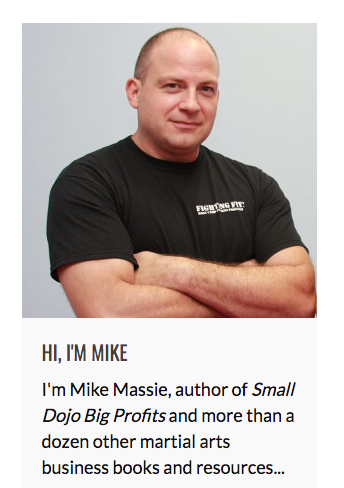
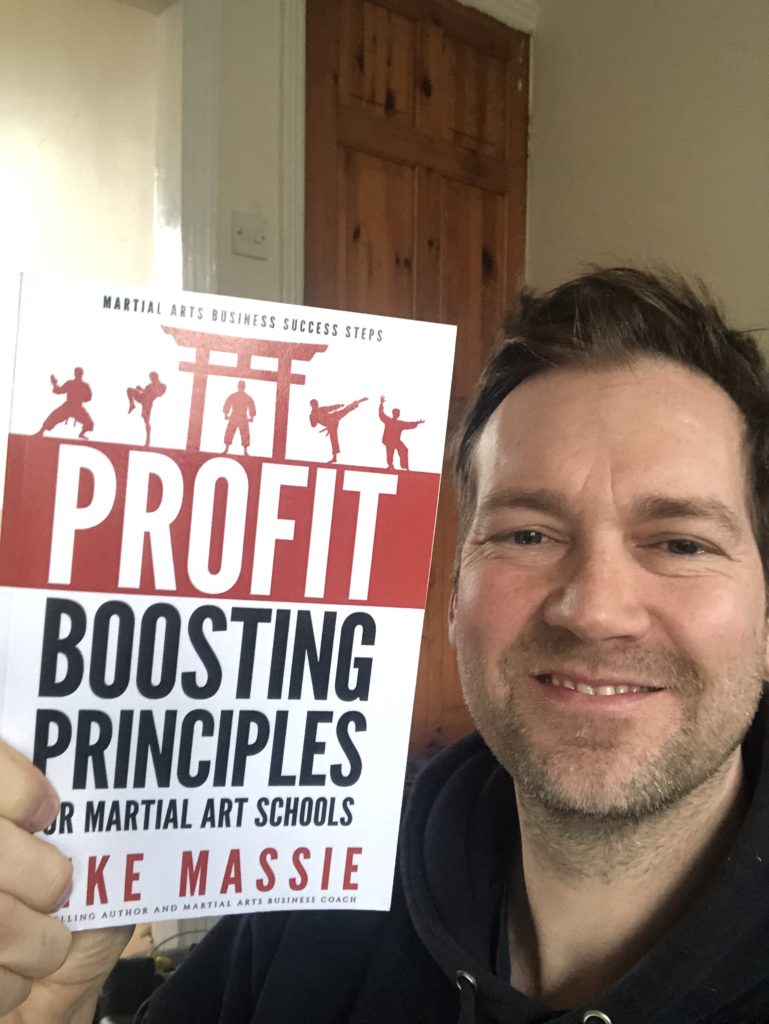
Over the last few years I’ve been teaching martial arts and initially, I struggled with building up my school. I sought the help of an online “guru” who I found online. His name is Mike Massey. Now I didn’t have much money to go buying his stuff, and I didn’t know whether he could help me in any case.

law of reciprocity

So I signed up to his email list to learn more about what he was offering. His emails alone helped me enormously. He taught me to use online advertising, offer more courses and teach summers schools etc., how to retain longer term students and a whole bunch of other useful stuff!

I didn’t want to do some of the things he recommended, but after several weeks of reading his emails, I felt like he’d given me huge value – and completely for free!

power of giving

Guess what? In his emails he sells his book and I bought it. I realised there and then that this was how to sell online. Nobody wants a pushy salesman shoving their wares at them. But once you’ve already given the value, the law of reciprocity kicks in. It’s a commonly known sales technique and one which works really well in the online space.

The online space is a buyers marketplace. But if you continue to deliver value and build trust, your subscribers and visitors will buy from you if your products are a good fit for them!

Give First, Receive Later – Example

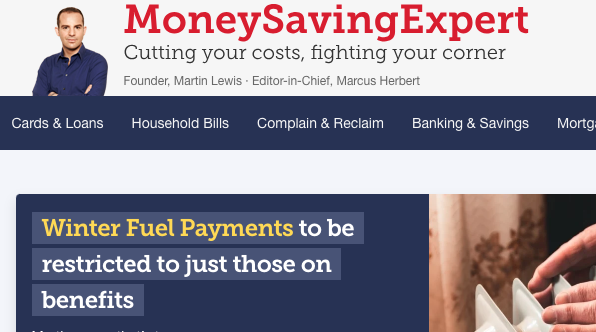
Another example of the give first, receive later principle is Martin Lewis’s website moneysavingexpert.com. In it, he gives financial advice and links to companies and services through affiliate links. Money Saving Expert is a hugely popular and successful website which helps people with their finances by showing them the cheapest utility companies, credit cards, discounts and offers.

 give first receive later

It advises on mortgages and other financial matters, such as getting out of debt. The point is that the site is built on the principle of helping people first, making money second. You might not even be aware that the site makes money from referrals (affiliate marketing).

Without having built the huge amount of helpful content on the website, Moneysavingexpert.com wouldn’t have gained the brand awareness and readership it has today.

Be A Producer Not A Consumer

We often don’t think in terms of producing or consuming, but if you look around you’ll see that most of us are in fact consumers nearly 100% of the time! We consume entertainment, blogs, videos, food and goods and services.

Most of our days are spent consuming something, whether it is food, goods, entertainment or a service. To shift this relationship and earn from affiliate marketing, you need to become a producer.

When people are consuming your information, your courses, ebooks and downloadable content, you have their attention! Use the content you produce to lead people to products which will help them, by giving them useful information which is of service. This can be done through blogging, through video or through your own ebooks, or email messages.

Be a producer, not just a consumer!

Delayed Gratification & Patience

As an affiliate marketer, it’s important to realise the importance of delayed gratification and patience! If you focus only on the getting, you might scare away your potential customers by being too keen! If you walk into a shop, and the salesman is too needy for the sale, it pushes customers away! The same is true in the online space.

 give first receive later

But if you give through your content and email messages, you build trust over the longer term. Continue to do so, and your subscribers will know you are consistent and therefore reliable. But if you get frustrated and drop off, you can’t serve anyone over the longer term.

As a beginner affiliate I was definitely focused on the getting, rather than the giving. I was looking for the quick wins, the easy buck! But it didn’t work because I didn’t provide any value to anyone.

I recently had a sale drop in from a subscriber who had been on my email list for 5 years! Such is the power of email marketing and of course of patience and delayed gratification!

Why Counter Intentions Hold You Back

Why counter intentions hold you back in life? A counter-intention can be a subtle thing, such as the need to maintain an old habit, keep someone happy, or hold on the certain lifestyle you once wanted. Because these subtle counter-intentions are often unconscious, they sabotage our other intentions of attaining something important to us, such as a career goal, a relationship or an achievement.

Are counter-intentions holding you back in life?

Here’s a quick example of a counter intention. Say you join a gym and decide you want to get fitter, and shift some belly fat. You set a goal to drop a stone in 6 months and trim down and get yourself in better shape. While writing out your goal, and thinking of it, you become motivated and start feeling good about it. You join a gym, and start eating better. Things are looking good!

But two months in, you start getting bored of the regimen. You go out for a few drinks one night and the next day you don’t feel much like training, so you skip them gym that day. Pretty soon, you’ve forgotten about your best intention and fallen back into your old lifestyle habits. What happened? Old counter intentions took over. Those old habits which were your previous lifestyle habits took over, and you fell back into an old pattern.

Why Counter-Intentions Hold You Back – Old Habits

Are counter-intentions holding you back in life?

Your life is made up of intentions and counter-intentions which make up your “comfort zone”. Somewhere in-between your highest goals and your lowest acceptable standards is where you reside in your life.

Sam Ovens “We are not the highest version of ourselves that we can imagine, we are the lowest version of ourselves that we can accept”

Are counter-intentions holding you back in life?

When you set a goal for yourself, you change some habits in order to achieve it. But you’re working against inertia – that inertia which has built up in your life already, and runs the show from behind the scenes.

Here’s a few possible other counter-intentions, or “mini-contracts” you might have made which keep your best intentions in check:

  • I want to lose weight, but I can’t give up ice cream and pizza
  • I’d like to earn from an online business, but I don’t have the time/ my friends don’t support me
  • I’m determined to find that relationship, but I’m afraid of the rejection
  • I’d like to travel, but my job never gives me the time/space

Our prior commitments are often the reason we don’t follow through with a goal or an intention. In this case, it’s useful to decide what is really important to you, rather than continue down a path because you’ve always been on it. This is a strong case for contingency goals.

Why Counter-Intentions Hold You Back – Contingency Goals

“If you keep doing what you’ve always done, you’ll keep getting what you’ve always got!” – Jim Rohn

Most people are living lives of quiet desperation and part of the reason is that they never re-examine their life’s choices/set new goals. They continue down a path they chose years ago! Since they have put so much energy into it, their lives are often built around their past choices.

Are counter-intentions holding you back in life?

But there’s always a choice to change your behaviour, if you want to. The problem is that there’s an inertia behind your previous choices which have led you to your life as it is right now!

Contingency goals are re-alignment goals for when you have either achieved a goal/intention or if you have changed your mind about a particular direction in life. If you’re changing direction in life, or have set a new goal, it’s useful to know that your past behaviour will act as a hand break for your new intention.

Imagine an oil tanker changing direction and doing a 180 degree about turn. It doesn’t happen quickly. So if you’re setting a new intention, this is worth remembering. It will take some time and effort to change something in your life. The longer you have been running an old habit, the harder it is to shift.

Re-Aligning With A New Goal

So if you have a new goal or intention, it’s well worth examining your counter-intentions to it. Will friends/family support you? Does your previous habits/lifestyle support this new direction? Are you fully aligned with your goal, or do you need to change it? Do you really want your goal, or is it influenced by someone else?

You can save yourself a lot of time and hassle by examining your intentions and getting clear on them. When you’re clear, you can align yourself much better. When some kind of block comes up, such as the need to have a beer when you’re trying to lose weight, you’ll have already made preparations for the eventuality.

To do this write out your goal several times, examining how you feel about it as you do so. If the goal doesn’t give you a 10/10 for desirability and a 10/10 for achievability (i.e. you don’t think it’s possible), you may need to alter your goal a little so that it is better aligned with exactly what you want.

For example, if you want a better body and to lose some weight, but you also want to have a pizza now and then, and a few beers, you can accommodate for this in your goal setting. See also the power of intention journalling.

You may have to alter your goal to accommodate for a lifestyle choice, such as eating! But if you don’t want to give up the old behaviour, you may have to realise that you don’t really want the outcome enough.

Why Counter Intentions Hold You Back – Summary

Counter-intentions conflict with our goals and halt our progress towards them. But often, we don’t really want the goal enough, and our old behaviour is preferable to achieving what we say we want.

It is often only when we are resolute that we must create change, and have had enough pain that we will set an intention which we follow through on. If our goals are whimsical and we don’t follow through, it’s often because of a counter-intention:

  • Our friendship circle doesn’t support us and we prefer to have their blessing
  • We are too addicted to our past behaviour, can’t give up the cake!
  • We don’t want it enough to sacrifice our old patterns
  • Out lifestyle takes the front seat and we only want our goals when life gets dull again

It’s worth re-examining our goals and intentions from our past regularly and making contingency goals – both for when we are out of alignment or changed our mind on a goal, and/or have achieved a goal we desired previously.

Why It Pays To Be Consistent

Why it pays to be consistent with affiliate marketing? Consistency allows you to build momentum, without which, you’re likely to stall. If you’re an affiliate, one of your best advantages is consistency. If you’re inconsistent in your actions, it will take much longer to achieve success. In the beginner stage of learning affiliate marketing, you’ll need to be consistent at learning. You’ll be going through videos and training materials. This can take some time to get to grips with. If you only work sporadically, it’s going to take much longer to get set up with your website, marketing funnel and sales materials.

Why It Pays To Be Consistent

Once you have completed some training, you’re going to need to choose a marketing method of some kind. This next “phase” of affiliate marketing is arguably the most difficult. Marketing is where the “rubber meets the road” in terms of making sales online. Without a marketing strategy, and consistent effort, you won’t make any headway with affiliate marketing.

It’s difficult learning a marketing strategy as a beginner because much of the effort you put in initially doesn’t lead to the outcome you want – sales. But your focus should be on mastering a marketing method here, and learning still. But rather than learning from training videos, you’re learning from your own trial and error marketing methods.

Why It Pays To Be Consistent

Again, if you’re inconsistent here, you’ll slow down your progress. Inconsistency also means you fail to gather any momentum. If you spend time every day on some form of marketing, eventually you’ll break through and get some insights, whether that’s a sale, a lead, or a website hit. These insights will drive your future behaviour as you figure out what actions are going to bring you the best results in your affiliate business.

Consistency with your marketing method gives you clarity and momentum and eventually insight. If you’re inconsistent, each time you come to set up an ad campaign, or write a post, or create a video, it’s much more difficult getting started. You lose the “flow”. But if you’re in the way of doing something each day, it’s much easier to keep up with that activity over the longer term. This is pretty difficult in the early days because you’ll wonder what actions you should be doing.

Choose a strategy and stick to it for at least a few months, before deciding whether you should change route. It will usually take at least this long before you can effectively judge whether a particular course of action is the right one, or not. Without consistency, expect this to take much longer.

Why It Pays To Be Consistent – My Journey

If it takes longer to start to gather information and glimpse some insights into your course of action, you’re going to stall all the more. You’ll doubt and procrastinate, leading to further inaction. It’s a downward spiral which leads to quitting. Conversely, once you have gathered momentum with some affiliate strategy, your actions lead you to more actions. Eventually if just feels wrong NOT to take a daily action step towards your goals.

Why It Pays To Be Consistent

I’ve been blogging for several years now but I wasn’t always consistent with it. I would write a few posts and then start looking for results. I would sit on the sidelines, wondering whether my blog posts had been found, whether they would be found by Google, and I would sit and wait, looking for evidence that what I was doing “worked”.

Let me tell you this isn’t a good idea and although it’s worth gathering data and looking at your websites hits, leads and “feedback”, inaction isn’t going to help you! It’s actually your enemy! After a few days of looking for my website to suddenly make a sale for me, I would become disappointed. This led to my state falling downwards towards inaction again, through the thought processes of fear, scepticism and doubt.

Why It Pays To Be Consistent – My Blogging

A month or so later, a sale would drop in from my previous work. I’d finally have some positive feedback and this would fuel my belief again. So I’d start blogging again, sure in the knowledge that I was on track in my daily regime of blog post writing! A month of blogging might pass, and I’d start to doubt my path again, looking for those sales! Doubt crept in, and I’d stop taking daily action because I doubted my strategy.

It took a long while for me to realise that it was my pattern of behaviour which led to my lack of sales. I was always full of doubt. Only when a sale dropped in, did I pick up again and start writing.

This is why belief is so important for success with an online business/affiliate marketing. Without belief, you won’t do the work. You won’t even try:


Henry Ford: “Whether a man believes he can or he can’t, he’s right”

Instead of looking for results, before you’ve done the work, (like I used to do), find a way to fire up your belief and focus on what you can do every day, to drive your affiliate business forwards.

Summary

Consistency is one of the keys to becoming successful as an affiliate marketer. In the beginning, you need to consistently study a course or education program. Then you need to pick a marketing tactic and stay consistent with applying it, whether that is paid advertising or content marketing.

Why It Pays To Be Consistent

As you stay the course, you’ll experience some feedback, which will allow you to find tune your efforts and become better at it. While some will see this “feedback” as a lack of sales, or as “failure” those who use these insights to make better decisions are those who succeed at affiliate marketing.

If you’re not consistent, you will slow this process down and you’re much more likely to get stuck in procrastination and inaction without the momentum you build from consistent action. Consistent action will give you more momentum, which you must keep up. When you commit to the affiliate journey, stay the course and build momentum, that’s where the magic happens and you start to see sales coming in faster and faster.

Overcoming The Upper Limit Problem

Are you struggling overcoming the upper limit problem? The upper limit problem is a mechanism of self-sabotage and is the brain’s subconscious way of keeping us in our “safe zone”. You see the upper limit problem occur in celebrities often at the peak of their career. They have a huge success, but then they self sabotage; getting arrested or into a car accident, for example.

Millionaire lottery winners create similar effects too. Many lottery winners experience a massive fall from grace. They lose friends and even all of their money shortly after their big win. Often it can show up in other ways too. For example if one area of your life is going really well, another area suffers; your business is booming, but then a relationship fails.

the big leap

This can happen for a number of reasons but often it’s simply because somewhere in your subconscious mind you don’t believe you are worth all the good. How many times have you heard the phrase “it’s too good to be true”, for example?

Our limits for feeling good about our lives keep us experiencing pain and discomfort. But if we identify this feeling with “who” we are, the payoff is comfort and consistency.

Overcoming The Upper Limit Problem

So what’s the answer to overcoming the upper limit problem then? How can we avoid self sabotaging when things are going the way we (consciously) want them to? Firstly it’s useful to identify the issues which may be blocking our good feelings and the ability to expand those good feelings so we can have more of them.

If we identify as someone who “struggles”, is “a failure” and is “never good enough”, for example, how will we react when we achieve success, if we ever do? It’s very likely that we will fail, (if we have these beliefs about ourselves) because it lets us maintain our consistent world view – that we are “a failure” and that we “aren’t ever good enough“.

A good thing to observe about yourself is how you talk about yourself when in the company of others. Do you put yourself down at all? How do you think of yourself? If your view is slightly negative, this will have ramifications on the subconscious self sabotage which comes with the upper limit problem.

Overcoming The Upper Limit Problem

sam ovens

“We are not the highest version of ourselves that we can imagine, we are the lowest version of ourselves that we can accept” – Sam Ovens.

Our dreams and aspirations lift us up and carry us forwards, but when our motivation and energy wanes, it falls to our lower limits, our lowest acceptable standards. The “space” in between is our comfort zone where we spend most of our lives! Here’s how this looks on a graph:

overcoming the upper limit problem

One way we can affect change is to observe our patterns of behaviour in terms of our success. The “highs” we aim at lift us up, but it is also the “lows” which are determined by us too. Only by shifting the two levels (upper and lower) can we make consistent positive change, like this:

overcoming the upper limit problem

Overcoming The Upper Limit Problem – Awareness

Bringing awareness to your subconscious behaviour patterns is a good place to start if you are experiencing this.

“Until you make the unconscious conscious it will control your life and you will call it fate” – CG Jung

One simple way to bring more conscious awareness into your limiting ideas and beliefs is through meditation. With meditation, you become the watcher of the mind, observing your inner dialogue dispassionately, without judgement. As you practice this, you can bring a similar awareness to your spoken word. Listen to what you say in conversation, particularly in regards to yourself.

What do your close circle talk about? As you become more observant you can notice limiting ideas which are likely to cause conflict in your life, in the areas of success, wealth, happiness and well-being.

The Upper Limit – Gay Hendricks

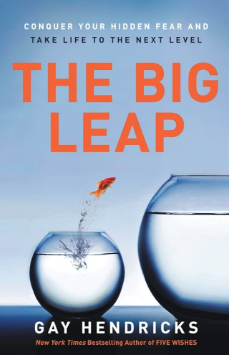
Gay Hendricks first coined the term upper limit in his book The Big Leap. He says it is our inner fears which pull us back like an elastic band when we have experienced a “peak” of success.

overcoming the upper limit problem

Think about how your life would look like if you could accept everything going well, exactly the way you want it to in terms of:

  • Finances
  • Relationships
  • Happiness
  • Lifestyle
  • Health

Notice the behaviours which cause you to pull back, limit yourself and doubt your worthiness. What thoughts are limiting your fullest good? Do you feel unworthy, or not good enough to have it all? Most people have at least a few self limiting beliefs in terms of not feeling good enough. The key to shifting an upper limit problem and creating more happiness and success in life is to “see” these limiting ideas you carry, and shift them from inside.

Once you have uncovered some of your limiting beliefs, you can use powerful mantras and visualisations to shift things. See the power of intention journalling and how to change subconscious beliefs.

See also Gay Hendricks upper limit.

Why Belief Is So Important For Success

There’s a few reasons why belief is so important for success, especially with an affiliate business. There’s this old adage from Henry Ford of course:

“Whether a man believes he can or he can’t, he’s right”

If you don’t believe that YOU can make money in affiliate marketing, you won’t even try. Self belief is the most important belief. If you don’t believe in YOU, you’ll find some way to fail.

But then there’s also belief in what you’re doing. It’s easy to struggle if you don’t believe in your direction online too, or if you don’t believe in the product you are promoting.

Of course there’s the belief that you might not know what you’re doing, too. But if you believe in YOU and that YOU can make money online with affiliate marketing, you can acquire all the necessary skills to do so because of this belief.

Why Belief Is So Important For Success – My Journey

I started learning affiliate marketing tactics back in the early 2000’s and it wasn’t an easy journey for me. I struggled from the very beginning. Having jumped from Forex marketing, and having a stint trying to make money on eBay, I stumbled upon affiliate marketing while trying to promote an ebook I had written. With a room full of unsold eBay stock, affiliate marketing seemed a simple solution. No stock necessary! A simple referral of someone else’s products/services.

why belief is so important for success

I liked how clean it was, so set about building multiple websites in a bid to sell affiliate offers, most of which I found on Clickbank, as per my earlier training back in the day! Having built multiple websites most of which didn’t work at selling a thing, I felt like quitting. If it wasn’t for an early sale in affiliate marketing, I would have probably joined the percentage of those who quit (around 95%).

But the idea of selling thousands of a digital product (originally my ebook) wouldn’t let me go! I was hooked!

Why Belief Is So Important For Success – The First Sale

The first sale is an important milestone for any affiliate because it proves to yourself that it can be done. When you can sell an item online, you’ve proved not only that affiliate marketing works, but that YOU can make sales online. Before this happens, it’s easy to carry around some scepticism and doubt.

But that doubt mustn’t grow, because if you allow it to, it will stop you from moving forwards. To stop doubt and scepticism from growing and destroying your future affiliate business, you must focus on building your belief. Here’s the dilemma.

why belief is so important for success

Without proof that something works, most people have very little time for it! But the seeking of the proof has the seed of doubt within it! Affiliate marketing does work, there’s no doubt. The question is whether affiliate marketing will work for YOU. Knowing all this, there’s very little point in the various online “gurus” showing you how well they’ve done. Although that can spur you on, earnings proof only shows one thing – that someone else made it work for them, not you!

Why Belief Is So Important For Success – My Blogging Experience

When I started out as an affiliate I didn’t have any money so organic (free) methods where what made me my first sale online. I wrote a product review and made $40 commission! It was to be a major boost to my belief around affiliate marketing and the idea that I could make it pay.

Before that I had tried a few other methods of earning online, one of which was using Google Adsense. With Adsense, you place advertising on your website content. When someone clicks on it, you earn a small commission. By small, I mean very small. I earned a few pence (cents) which was nothing compared to my $40 for my affiliate sale.

why belief is so important for success

So I chose blogging partly because of my earlier experience and this small, early success. As a beginner, I was fired up with enthusiasm after having bought an online course. But this enthusiasm quickly waned when I didn’t make much beyond that. I would blog and blog and blog, but still no more sales. So I would quit and throw in the towel! Then, a month would pass, and a sale would drop into my inbox! Wow, I would think, this really works. So I got back to blogging again. This time, with more confidence.

It was my belief, (or lack of it) which drove/killed my activity. And it was my activity which drove the sales.

Why Belief Is So Important For Success – Focus On Activity Not Results

One of my former mentors from a network marketing company I used to be involved with (Kleeneze in the UK), told me:

Don’t focus on the results, focus on your activity.

This was difficult in the beginning because I didn’t fully believe I could make affiliate marketing work for me. So I was looking for evidence that it could work. So, I would build a website or write a blog post, share it, and then sit back waiting for something to happen! I would wait, wait, wait! Sure enough, nothing much would happen. So I would doubt whether affiliate marketing worked!

But after a block of blogging frenzy, backed either by fear or belief, a sale would drop in! This gave me further evidence that not only did affiliate marketing actually work, but that I was making it work with my content and that I could actually replace my income with it.

Once this started happening more frequently, my confidence and belief grew. So I would write more frequently. Eventually, I let go of looking for confirmation and focused on fuelling my belief, once I realised I was in this stop/start pattern of behaviour.

Why Belief Is So Important For Success – How To Fuel Your Belief

For many affiliates, they never get the confirmation that a sale is possible for them, because they quit before that happens. But affiliate marketing is a performance based business in which you only get paid when you sell something. In the first instance this means you must do the work upfront.

Unless you do the work upfront, you won’t make any sales, but in order to do the work upfront, you must have some faith/belief that it will amount to something!

Therefore spending time building your belief is pretty important for affiliates and this can be done through a number of avenues:

When Things Don’t Work

There are always times when things just don’t work out in affiliate marketing. As a business, not every month is going to be pay check month, as in a regular job. I have some good months and some not so good months. In the beginning phase, there were long stints when I was earning nothing from affiliate marketing. Since I chose a largely organic marketing route, things were definitely slow for me. Paid marketing is much faster, but that’s a topic for another post.

why belief is so important for success

When things don’t work out you will fall back into doubt and scepticism. That’s where you need to go back and build your belief again. This is where most people quit. They try something, it doesn’t work and they assume it will always be like that. But those who stick, learn from those “failures” and use them to start again with greater knowledge.

It’s the knowledge which is valuable, because you can build on that to ultimately create a solid income from affiliate marketing. The fact that gaining that knowledge can be a painful process, perhaps explains the high drop out rate among affiliates. When things are painful, and you feel like giving up, is where you need to find that belief again, and come back even stronger (and better armed this time).

Small Wins, Long Game

It’s easy to want the big prize of making a tonne of money online. After all, that’s what so many “guru’s” are selling with their courses. But I have found the desire for megabucks can actually be a bit of a distraction. The wanting can create disappointment when it doesn’t happen straight away. You look at your results and are dissatisfied. This doesn’t lead to wanting to do more work, quite the opposite.

While a big goal can help motivate towards action, small goals can also be helpful when it comes to building belief in what you’re doing.

When you want a large outcome from an affiliate business, but all you have is small results, it’s discouraging. But if you focus on the small wins, you can more easily build confidence. A small win might be building your first website, for example. Or getting your first website traffic somehow. It might be purchasing your first online course, or running an advertising campaign for the first time.

Small wins are the path to big wins. Focus on the small wins and over time, the big wins will come! The best way to succeed with affiliate marketing is to decide not to quit. Stay the course and focus on small wins which build your belief and confidence.